Economy | Europe
Iran Is Demanding $1 Per Barrel Toll on Hormuz Ships — Trump Says Absolutely Not
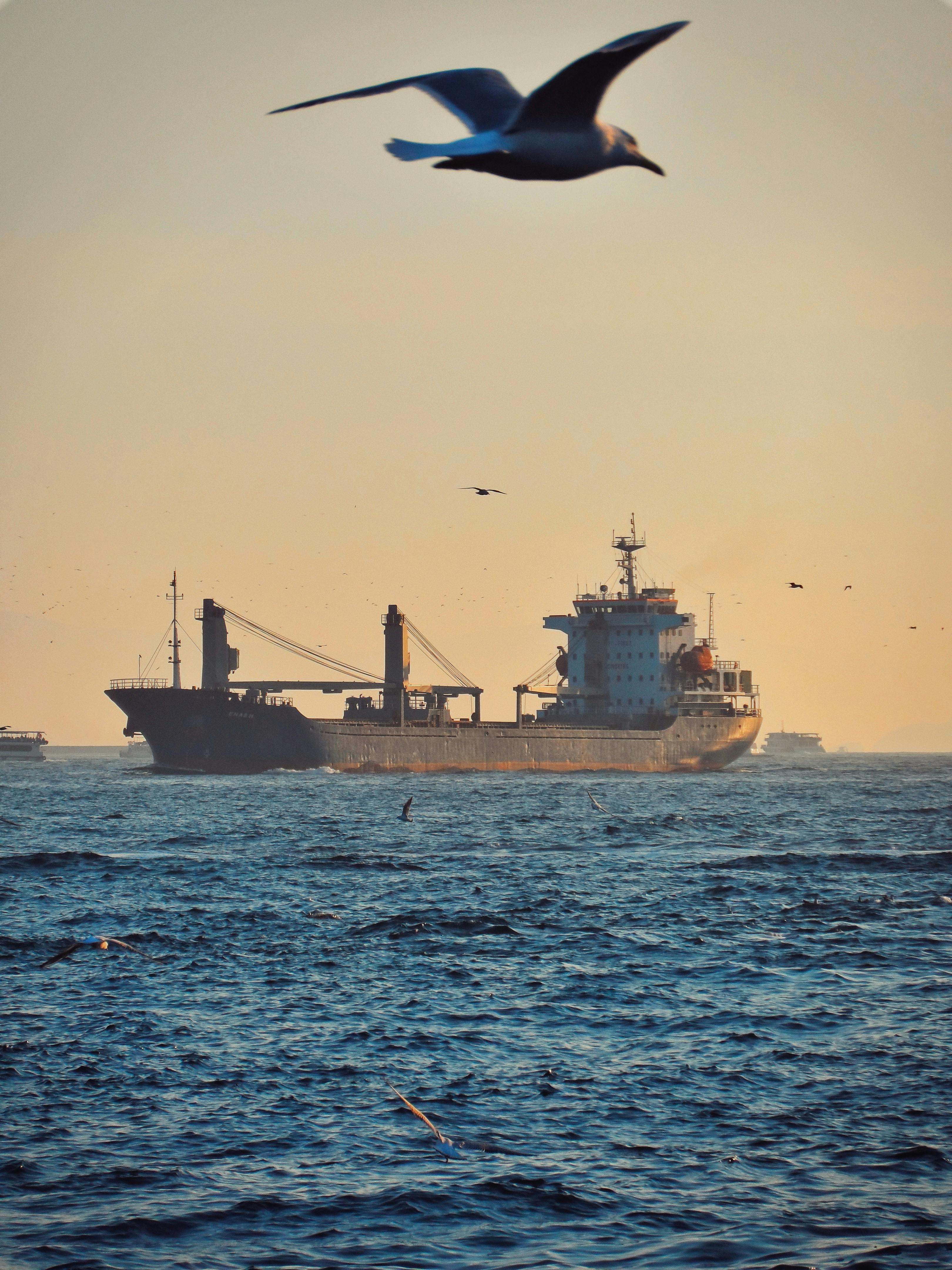
Iran wants $1 per barrel paid in cryptocurrency from every tanker transiting Hormuz. Trump calls it dishonest. Here is how this toll demand could reshape global oil trade permanently.
The Toll That Could Change Oil Markets Forever
The Financial Times report that Iran is demanding the right to collect $1 per barrel of oil from every tanker transiting the Strait of Hormuz — paid in cryptocurrency — represents the specific formalization of the informal toll-booth arrangement that NBC News reporting had described during the war as Iran's IRGC collecting $2 million per vessel for individual ships allowed through. The specific per-barrel formulation is more precise and more scalable: a very large crude carrier transporting 2 million barrels at $1 per barrel would owe $2 million in cryptocurrency before being allowed to transit.
Trump's specific response was unambiguous: "There are reports that Iran is charging fees to tankers going through the Hormuz Strait — They better not be and, if they are, they better stop now!" In a subsequent post, he said Iran was doing "a very poor job, dishonorable some would say, of allowing Oil to go through the Strait of Hormuz. That is not the agreement we have!"
Iran's new Supreme Leader Mojtaba Khamenei stated that Iran will bring the management of Hormuz "into a new phase" — the specific phrasing whose diplomatic translation into the specific toll demand the FT described makes the particular connection between Khamenei's strategic declaration and the specific operational form it is taking.
The specific scale of the toll's potential revenue is significant. In normal pre-war conditions, approximately 140 ships transited Hormuz daily. If 50 ships carrying an average of 1 million barrels transit daily, the specific daily toll revenue at $1 per barrel would be $50 million — $18.25 billion annually. If 140 ships averaging 1.5 million barrels transit, the specific annual revenue approaches $76 billion — exceeding Iran's entire pre-war oil export revenue.
Iran's specific cryptocurrency payment demand reflects the particular sanctions evasion logic that characterizes Iran's oil export approach throughout the sanctions period. Cryptocurrency transactions whose specific blockchain architecture allows transfer without specific correspondent banking intermediaries creates the particular payment mechanism that US financial sanctions are specifically designed to block through the SWIFT system and traditional correspondent banking relationships.
The International Law Dimension
The UN Convention on the Law of the Sea (UNCLOS) establishes the legal framework for transit passage through international straits. Article 38 of UNCLOS specifically provides that ships and aircraft enjoy the right of transit passage through straits used for international navigation — and the specific commentary and jurisprudence around Hormuz has consistently affirmed it as a strait where transit passage rights apply.
Transit passage under UNCLOS cannot be impeded, suspended, or conditioned — including by the imposition of fees. The specific Iranian toll demand therefore represents a specific violation of the international legal framework whose specific norms the United States has historically been among the most vigorous defenders, for the particular reason that the US Navy's global operational freedom depends specifically on the principle of free transit passage through international straits.
The specific precedent that accepting the Iranian toll would create extends well beyond Hormuz. If Iran can successfully establish a transit fee regime on Hormuz, the specific logic that justifies it — geographic proximity, national security, historical claim — is available to every coastal state bordering a significant international strait. The specific choke points of global commerce — Malacca, Gibraltar, Bab el-Mandeb, the Turkish Straits, the Danish Straits — all involve coastal states whose specific ability to claim similar toll authority would be strengthened by a successful Iranian precedent.
UAE's ADNOC chief Al Jaber's specific framing — "the weaponization of this vital waterway, in any form, cannot stand" — captures the Gulf state consensus on the toll: even the specific Gulf states who have been Iran's geopolitical adversaries throughout the war share the specific interest in rejecting the toll precedent, because their own specific maritime interests depend on the same international law that the toll would undermine.
What the Islamabad Talks Must Produce on Hormuz
The specific Islamabad negotiation's most urgent and economically consequential task is producing a Hormuz arrangement that simultaneously satisfies Trump's requirement for free navigation and Iran's requirement for the specific form of Hormuz sovereignty that its negotiating position has consistently demanded.
The specific middle ground that creative diplomacy might find involves a transition period arrangement — specific temporary protocols for vessel registration and coordination with Iranian authorities during the two-week ceasefire period, structured as practical navigation safety measures rather than as sovereignty or toll mechanisms — that allows ships to move at commercial scale while the specific legal framework of permanent Hormuz governance is negotiated in subsequent talks.
South Korea's specific response — appointing a special envoy to travel to Tehran to discuss safe passage for South Korean vessels — represents the particular bilateral approach that individual countries whose specific shipping interests are most acute are taking. Japan's Foreign Ministry is pursuing similar outreach. These specific bilateral navigation agreements don't resolve the underlying legal question of Iranian toll authority, but they provide the specific practical workaround that commercial shipping requires in the near term.