Military | Europe
Iran's Toll Booth on the World's Oil — The $2 Million Per Ship Fee That Nobody Is Discussing
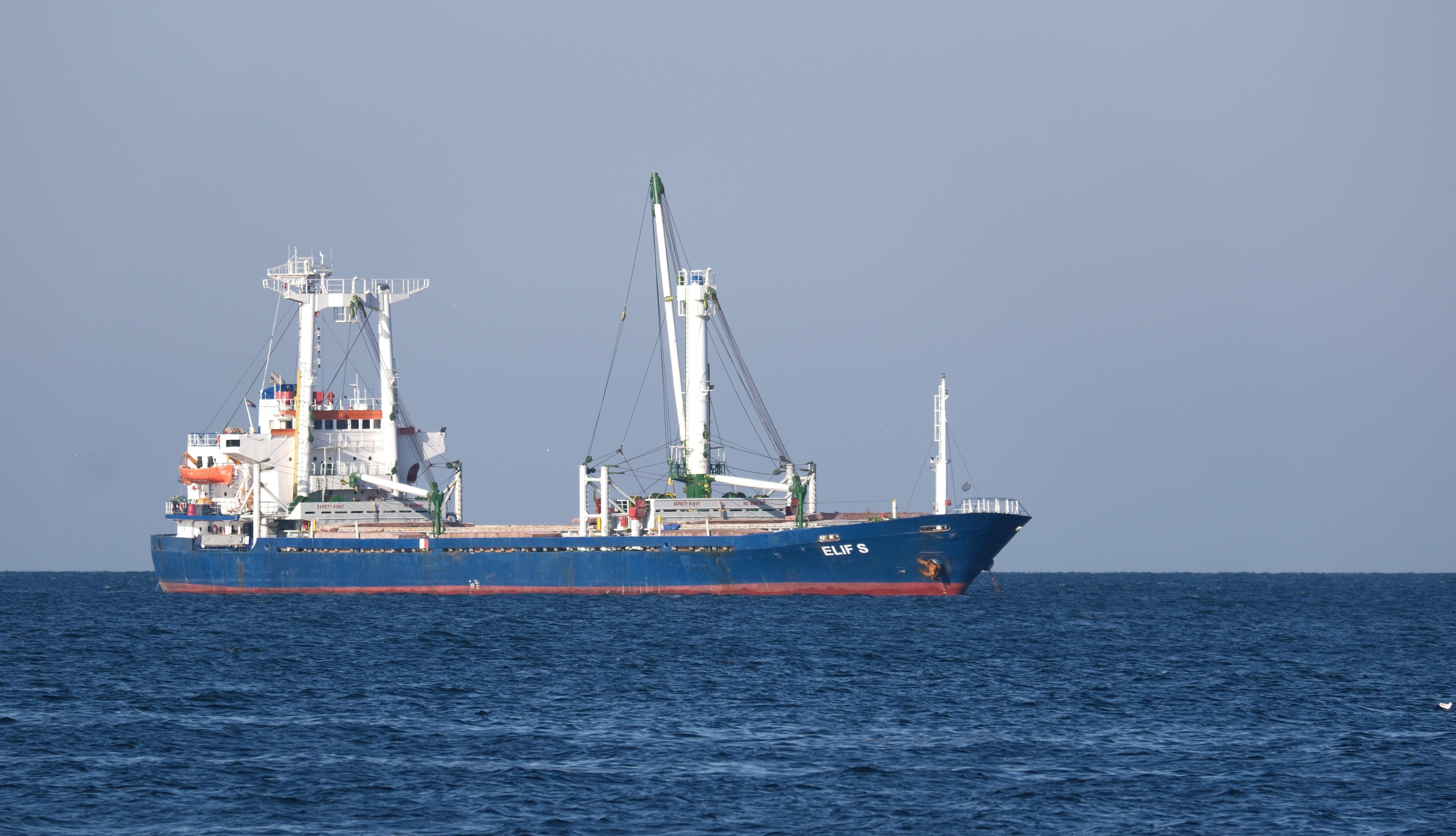
Iran isn't simply blocking the Strait of Hormuz. It's running a $2 million per-ship 'toll booth' that could become permanent. Here is the full story of the most audacious seizure of global oil infrastructure in history.
The Strait That Carries 20% of the World's Oil — And Who's Controlling It Now
Before February 28, 2026, approximately 21 million barrels of oil passed through the Strait of Hormuz every day — roughly one-fifth of the global seaborne oil trade, alongside 17% of the world's liquefied natural gas. The 21-mile-wide waterway between Iran and Oman was the specific chokepoint whose strategic importance every oil market analyst, military planner, and petroleum economist had long identified as the single greatest concentration of energy supply vulnerability in the global economy.
Since Iran closed the strait at the start of the US-Israeli military campaign, the specific picture of what is actually happening in those waters has been gradually emerging through the particular combination of satellite monitoring, maritime tracking data, diplomatic reporting, and the specific NBC News live blog notation that captured the most operationally revealing detail: Iran is not simply blocking the strait. It is running what reporters have nicknamed the "Tehran Toll Booth."
Specific vessels are being redirected by Iranian naval forces into Iranian territorial waters between a series of islands, where IRGC marine units conduct inspections and demand payment. The documented per-vessel charge is $2 million. The specific logic is transparently commercial: if 10 ships transit per day and each pays $2 million, the IRGC generates $20 million daily — $7.3 billion annually — from the maritime chokepoint whose "protection" they are now charging for.
The Scale of What Iran Has Accomplished
Before the war, 110 ships transited Hormuz daily. The current rate is approximately 5-10 ships per day, down from that pre-war baseline by more than 90%. These remaining ships are not freely transiting: they are "no longer going unmolested through the middle of the strait," as NBC reporting described, but are being forced through the specific Iranian-controlled inspection corridor.
The strategic achievement this represents is substantial. Iran has converted the world's most important maritime chokepoint from a freely transited international waterway into a revenue-generating toll concession — without winning a single direct military confrontation with the United States. The specific military campaign that Trump has called a success in tactical terms has, from Iran's perspective, produced the specific strategic outcome of converting temporary control over the strait into the foundation for a permanent transit fee regime.
NBC News' expert analysis was pointed: "Every indication is that the Iranians want to make this into a long-term arrangement, even after the war continues." Iran's five-point ceasefire counteroffer — which demanded formal recognition of Iranian "sovereignty" over the Strait of Hormuz as a ceasefire condition — makes the long-term intention explicit. The ceasefire they are willing to accept is one that institutionalizes rather than reverses the toll booth arrangement.
The Alternative Routes That Can't Compensate
Saudi Arabia has been diverting oil to the Red Sea port of Yanbu via the East-West Crude Oil Pipeline. UAE diverts via the Abu Dhabi Crude Oil Pipeline to Fujairah. Iraq uses the Kirkuk-Ceyhan pipeline through Turkey to the Mediterranean. Combined capacity across all alternatives: approximately 9 million barrels per day. Pre-war Hormuz traffic: 21 million. The gap of 12 million barrels per day that cannot be rerouted is the specific source of the oil price elevation from $75 to a peak of $126 per barrel, and its persistence is why oil prices have remained elevated even as diplomatic signals temporarily push them to $100-102 before reality restores pressure.
The world's major economies are each managing the specific arithmetic of this shortage. Europe has seen LNG prices spike as Gulf state LNG that would normally transit Hormuz is unavailable. Japan and South Korea — whose specific dependency on Gulf oil imports makes them acutely exposed — are running emergency negotiations for alternative supply. China's specific energy import situation creates its own set of calculations.
For American consumers: the $4 per gallon gas price is not merely an inconvenience. It is the retail expression of a fundamental realignment of who controls access to the Gulf's energy resources, and the specific ceasefire terms that would actually resolve it require the United States to either accept Iranian sovereignty over international waters or find a military solution whose specific cost Trump has been repeatedly signaling he wants to avoid.