Economy | Europe
3,200 Ships Are Idling Because of Hormuz — Here Is the Global Shipping Crisis Nobody Can Fix
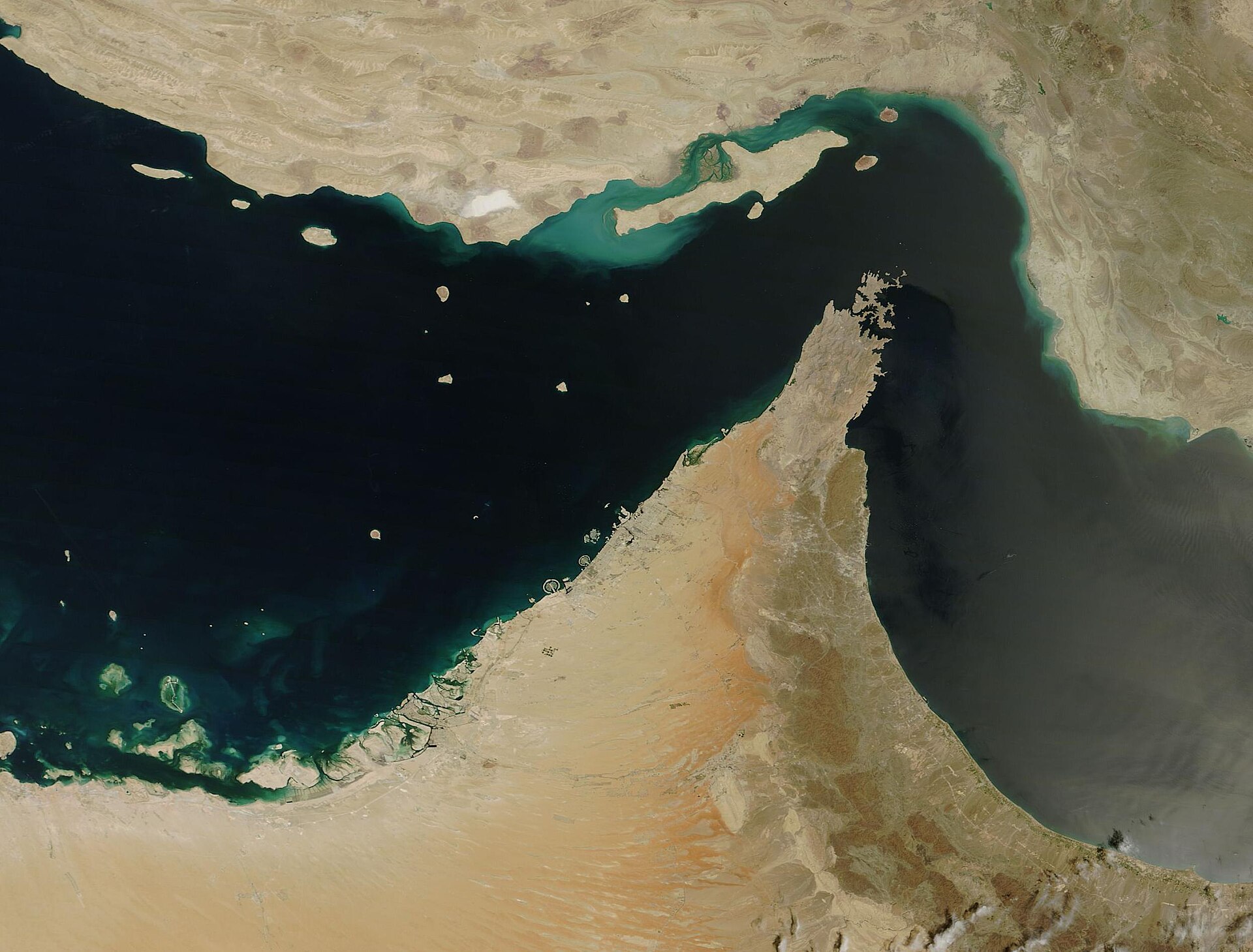
Fox News confirmed 3,200 vessels are idling globally because shipping companies won't risk Hormuz despite the ceasefire. Here is the complete picture of the worst shipping crisis in history and when it might end.
- Fox News confirmed 3,200 vessels are idling globally because shipping companies won't risk Hormuz despite the ceasefire.
- Fox News confirmed on April 10, 2026: approximately 3,200 vessels are idling globally — waiting to transit the Strait of Hormuz or waiting for freight that was supposed to transit Hormuz before the world's most consequen...
- The specific Wikipedia Hormuz crisis documentation captures the particular complexity that has developed: Iran set up its own shipping channel north of Larak Island — different from the normal channel south of the island...
Fox News confirmed 3,200 vessels are idling globally because shipping companies won't risk Hormuz despite the ceasefire.
The Ships That Won't Move
Fox News confirmed on April 10, 2026: approximately 3,200 vessels are idling globally — waiting to transit the Strait of Hormuz or waiting for freight that was supposed to transit Hormuz before the world's most consequential maritime chokepoint was effectively closed for 45 days and counting. Despite the two-week ceasefire that the US and Iran announced on April 7, despite the specific Iranian statement that "safe passage" would be allowed through coordination with its armed forces, shipping companies around the world have calculated that the specific risk of transiting a strait where three tankers were struck in the conflict's opening days, where Iranian IRGC Marine units board and inspect vessels, and where cryptocurrency toll demands are reportedly being made, is not yet acceptable.
The specific Wikipedia Hormuz crisis documentation captures the particular complexity that has developed: Iran set up its own shipping channel north of Larak Island — different from the normal channel south of the island — requiring ships to use a route that places them under more direct Iranian authority. One ship paid the specific $2 million per-vessel transit fee that was the informal toll structure before the formal cryptocurrency demand that the Financial Times reported. Iran's semi-official ISNA confirmed that the Revolutionary Guards' navy posted a map showing alternative shipping routes and the location of naval mines — a specific dual-function announcement that is simultaneously a navigation safety advisory and a reminder that mines exist whose precise locations only Iran knows.
The specific Netblocks tracking data that CBS News referenced adds another dimension: Iran's internet blackout for its civilian population has now lasted more than 1,000 hours — the specific milestone that makes the specific ceasefire's announced opening of safe communications channels for Iranian civilians the particular human rights dimension whose acknowledgment the Islamabad talks must address alongside the economic ones.
The specific 3,200 idling vessels represent not just specific crude oil tankers but the particular full range of commercial shipping: LNG carriers whose specific Gulf state natural gas was loading when the war began, container ships whose specific routes through Hormuz have been diverted to longer alternative paths with specific additional fuel costs, car carriers transporting specific Japanese and Korean automobiles from Gulf country assembly plants, and the specific bulk carriers whose fertilizer, grain, and industrial raw material cargoes serve the particular agricultural and manufacturing supply chains whose disruption creates the specific downstream price increases that global consumers are experiencing.
The Specific Economics of Each Idling Vessel
The specific daily operating costs of an idling crude oil supertanker — a Very Large Crude Carrier whose particular size carries 2 million barrels and whose specific daily cost including crew, fuel for auxiliary systems, maintenance, and financing is approximately $85,000-100,000 — multiply across 3,200 vessels to create a specific daily global shipping industry loss whose accumulation across 45 days of crisis produces the particular economic damage that the industry's specific insurance claims will eventually document.
The specific shipping insurance market has responded to the crisis with the particular premium increases that actuarial risk models produce when specific vessels are operating in specific war risk zones. The Lloyd's of London Joint War Committee's specific classification of the Persian Gulf — and specifically Hormuz transit — as a war risk area creates the particular additional insurance cost whose expression in specific daily premiums adds $200,000-500,000 per voyage for vessels that do transit, on top of the specific base operating cost. This specific insurance premium is the particular commercial barrier that makes shipowners choose specific idling over specific risky transit even after the ceasefire's specific announcement.
The specific global supply chain impact of 3,200 idling vessels involves the particular cascade whose specific expression appears in different industries at different specific time lags. Crude oil supply to specific refineries whose specific inventories have been drawn down creates the particular processing capacity constraint whose retail expression is specific petroleum product shortages and specific price premiums. LNG supply to specific European winter reserves — whose specific drawdown accelerated when the Hormuz-transiting Gulf LNG became unavailable — creates the particular energy security dimension whose specific European political consequences have been dominating the specific energy policy debates in Berlin, Paris, and Brussels throughout the war.
The specific trade routes that have developed as partial substitutes — the longer Cape of Good Hope routing that adds approximately 14 days to a voyage from the Gulf to European ports, the specific Suez Canal-Red Sea route that adds cost and specific security concerns from Houthi activity that predates the Iran war — are the particular partial mitigations whose specific economics produce the higher freight rates that every importer is paying regardless of whether their specific cargo is energy-related. The specific container shipping rate whose expression in the specific Freightos Baltic Index has risen approximately 40% since the war began is the particular background inflation that adds to specific consumer goods prices whose production requires specific supply chain components whose specific transportation costs the rate reflects.
What It Will Take to Move the Ships
The specific conditions required for shipping companies to resume transit through Hormuz involve three distinct categories of assurance whose provision requires specific actions from specific parties.
Physical security assurance requires specific mine clearance whose execution is technically complex: the IRGC Revolutionary Guards' navy confirmed mine deployment in specific Hormuz areas during the war. Specific mine-clearing vessels operated by specific navies — whose deployment requires specific coordination with Iranian authorities to prevent specific misidentification as hostile military action — must produce the specific navigational safety certification that Lloyd's of London's specific war risk committee requires before specific insurance premiums return to normal levels. The specific timeline for mine clearance: minimum 30-60 days after ceasefire-based cooperation begins, with specific complications if Iranian authorities are uncooperative in providing specific mine location data.
Legal and financial security assurance requires specific international law clarity on the specific question of Iranian transit authority. The specific International Maritime Organization — whose particular mandate includes the specific legal governance of Hormuz passage — must issue specific guidance on whether the specific coordination requirements that Iran is imposing constitute legitimate safety measures or specific illegal interference with transit passage rights. That specific process takes weeks rather than days.
Economic security assurance requires specific insurance market normalization that follows specific physical security improvement. Lloyd's of London's specific Joint War Committee updates its specific zone classifications based on specific risk assessments whose inputs include the specific mine clearance progress, specific incident reporting from specific vessels that have transited, and specific intelligence assessments from the specific maritime security agencies whose data the specific insurance actuaries rely on.
The specific hopeful scenario — all three conditions met within 30 days of successful Islamabad talks — produces the particular shipping market normalization whose downstream expression in specific freight rate declines, specific energy price reductions, and specific consumer goods price stabilization creates the particular economic recovery trajectory that the seven-day stock market rally is anticipating. The specific pessimistic scenario — Islamabad talks fail, ceasefire collapses, Hormuz closes again — produces the particular escalation whose expression in $120+ oil and the specific 3,200 vessels whose indefinite idling becomes the specific permanent rerouting that fundamentally changes global shipping patterns for years.