Military | Europe
Mojtaba Khamenei Reportedly Lost a Leg on the War's First Day — The Hidden Story of Iran's New Supreme Leader
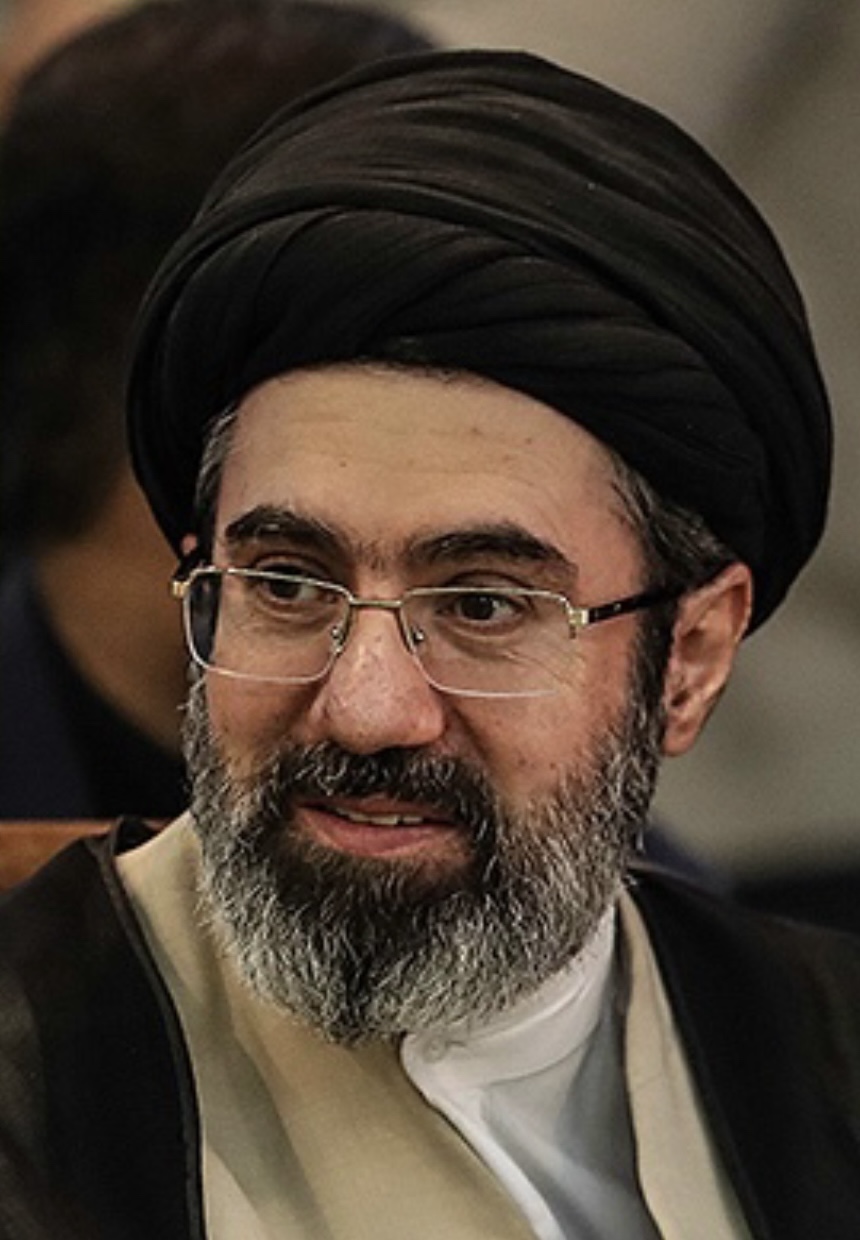
Sources close to Iran's new supreme leader say Mojtaba Khamenei has disfiguring facial wounds and may have lost a leg on the war's first day. Here is what this means for his authority and the Islamabad talks.
- Sources close to Iran's new supreme leader say Mojtaba Khamenei has disfiguring facial wounds and may have lost a leg on the war's first day.
- The specific mystery of why Iran's new Supreme Leader Mojtaba Khamenei has not appeared in public in the 40+ days since taking power — with every statement attributed to him read by state television announcers — acquired...
- The specific additional detail — "Iran's supreme leader has disfiguring facial wounds and may have lost a leg, sources say" — is the particular intelligence assessment whose specific disclosure by the Times of Israel, wh...
Sources close to Iran's new supreme leader say Mojtaba Khamenei has disfiguring facial wounds and may have lost a leg on the war's first day.
The Wounds That Explain Why Nobody Has Seen Him
The specific mystery of why Iran's new Supreme Leader Mojtaba Khamenei has not appeared in public in the 40+ days since taking power — with every statement attributed to him read by state television announcers — acquired a specific answer in Times of Israel reporting published April 10, 2026: "Individuals close to Mojtaba Khamenei's inner circle say he's mentally sharp, engaged in decision-making, meeting with officials via audio conferencing. US intel said to believe he lost limb on war's 1st day."
The specific additional detail — "Iran's supreme leader has disfiguring facial wounds and may have lost a leg, sources say" — is the particular intelligence assessment whose specific disclosure by the Times of Israel, which has generally been accurate in its specific sourcing from Israeli intelligence-adjacent channels throughout the war, provides the specific explanation for the particular public invisibility whose absence had generated multiple competing theories.
February 28, 2026 — the first day of the US-Israeli military campaign — involved the specific surprise strike whose primary objective was the assassination of Ali Khamenei, the elder Khamenei, in a meeting with top advisors at a known location. Netanyahu had called Trump two days before the attack, informing him of the elder Khamenei's upcoming meeting and its specific location. The specific strike that killed the elder supreme leader apparently also injured Mojtaba Khamenei, who either was present at the same meeting or was in proximity to a separate strike whose specific targeting created the specific wounds that the sources describe.
The specific detail about audio conferencing — "mentally sharp, engaged in decision-making, meeting with officials via audio conferencing" — is the particular reassurance that someone near his inner circle would want to communicate publicly: that the Islamic Republic's governance is functional despite the specific leader's inability to appear publicly, and that his specific mental faculties are intact even if his specific physical condition prevents specific public appearance.
What the Wounds Mean for His Authority
In any specific political system, the specific physical condition of its specific leader creates the particular governance question whose answer determines specific institutional stability and specific foreign adversaries' strategic calculations. But in the specific Iranian system whose particular institutional architecture gives the supreme leader a specific combination of temporal and religious authority — whose specific legitimacy derives both from specific political appointment by the specific Assembly of Experts and the particular religious authority whose Shia theological foundations require specific public religious leadership — the specific physical incapacity to appear publicly creates the particular legitimacy challenge whose dimensions are distinctive.
Iranian political culture has specific history with incapacitated supreme leadership: Ayatollah Khomeini's specific final years involved the particular progressive physical limitation whose management by specific institutional intermediaries — primarily through the specific Supreme National Security Council whose members interpreted and implemented his specific directions — created the particular precedent whose repetition in Mojtaba Khamenei's specific situation his advisors are presumably following.
The specific audio conferencing format — whose particular verification impossibility creates the specific question of whether the specific voice heard by specific officials is the specific supreme leader himself or a specific simulation whose specific production deep fake technology would make more plausible in 2026 than at any previous point in history — is the particular governance uncertainty that the specific US intelligence assessment's specific confirmation of physical incapacity amplifies.
For the Islamabad talks whose specific success requires the particular supreme leader authorization whose expression in specific statements must be trusted as reflecting the specific supreme leader's actual preferences: the specific audio-only governance format creates the particular Iranian negotiating position uncertainty that complicates the specific US team's assessment of whether specific Iranian concessions are actually authorized by the specific ultimate decision-making authority whose specific physical condition prevents specific direct verification.
The Historical Comparison and Its Limits
The specific situation — a supreme leader who has suffered serious wounds on the first day of a war, who exercises authority through intermediaries and audio communication, and whose specific governance capacity is being assessed primarily through secondhand source reporting — has some specific historical precedents whose comparison reveals both similarities and important differences.
Franklin Roosevelt's specific physical disability — whose particular management through the particular photographic and public appearance restrictions of his specific era created the specific public ignorance about his specific wheelchair dependence — is the most frequently cited specific American parallel. The particular difference: Roosevelt's specific disability was stable, well-managed, and did not create the specific cognitive uncertainty that Khamenei's specific reported wounds create when combined with the specific question of whether someone with specific disfiguring facial wounds and a potential specific limb loss is the same specific person in the same specific cognitive state that the specific audio conferencing interactions assert.
The specific Iranian opposition's specific reaction to the ceasefire announcement — whose particular expression in specific outrage and despair from the specific diaspora communities and specific opposition figures who had hoped the war would produce the specific regime change that the specific US-Israeli military campaign appeared to threaten — creates the particular domestic legitimacy pressure that the specific supreme leader's specific inability to appear publicly amplifies. A supreme leader whose specific physical condition prevents specific public reassurance creates the particular power vacuum that specific factions within the IRGC, specific clerical institutions, and specific government ministries will attempt to fill with their specific institutional preferences.
The Intelligence Assessment and Its Strategic Implications
The specific US intelligence assessment that Khamenei may have lost a limb — whose confidence level in the specific Times of Israel reporting is "US intel said to believe" rather than the specific more confident "US intel assesses" — is the particular intelligence product whose implications for the specific Islamabad negotiations are significant.
If the specific assessment is accurate — if Iran's supreme leader is physically incapacitated enough to require specific audio-only governance — the particular question for Vance's specific negotiating team is whether the specific Araghchi-led Iranian delegation has the specific authority to make specific binding commitments on behalf of a supreme leader whose specific approval of those commitments must be transmitted through the specific audio-conferencing format whose specific reliability the delegation itself may be uncertain about.
The specific strategic calculation that the specific wound information suggests: Iran entered the ceasefire with its supreme leader seriously wounded on the war's first day, its previous supreme leader assassinated, multiple senior military commanders killed across 40 days of war, its military infrastructure substantially degraded, and its economy already strained by specific pre-war sanctions now compounded by specific war damage. The specific question of whether these accumulated specific pressures create the particular desperation whose expression in specific dramatic concessions the Islamabad talks might produce, or the particular determination to preserve specific core interests whose protection justifies continued resistance, is the specific strategic assessment that the negotiating teams on both sides are making with the specific intelligence their specific services provide.