Sports | Europe
Liverpool vs PSG at Anfield Tonight: Can the Reds Overturn a One-Goal Deficit and Reach the Champions League Semi-Finals?
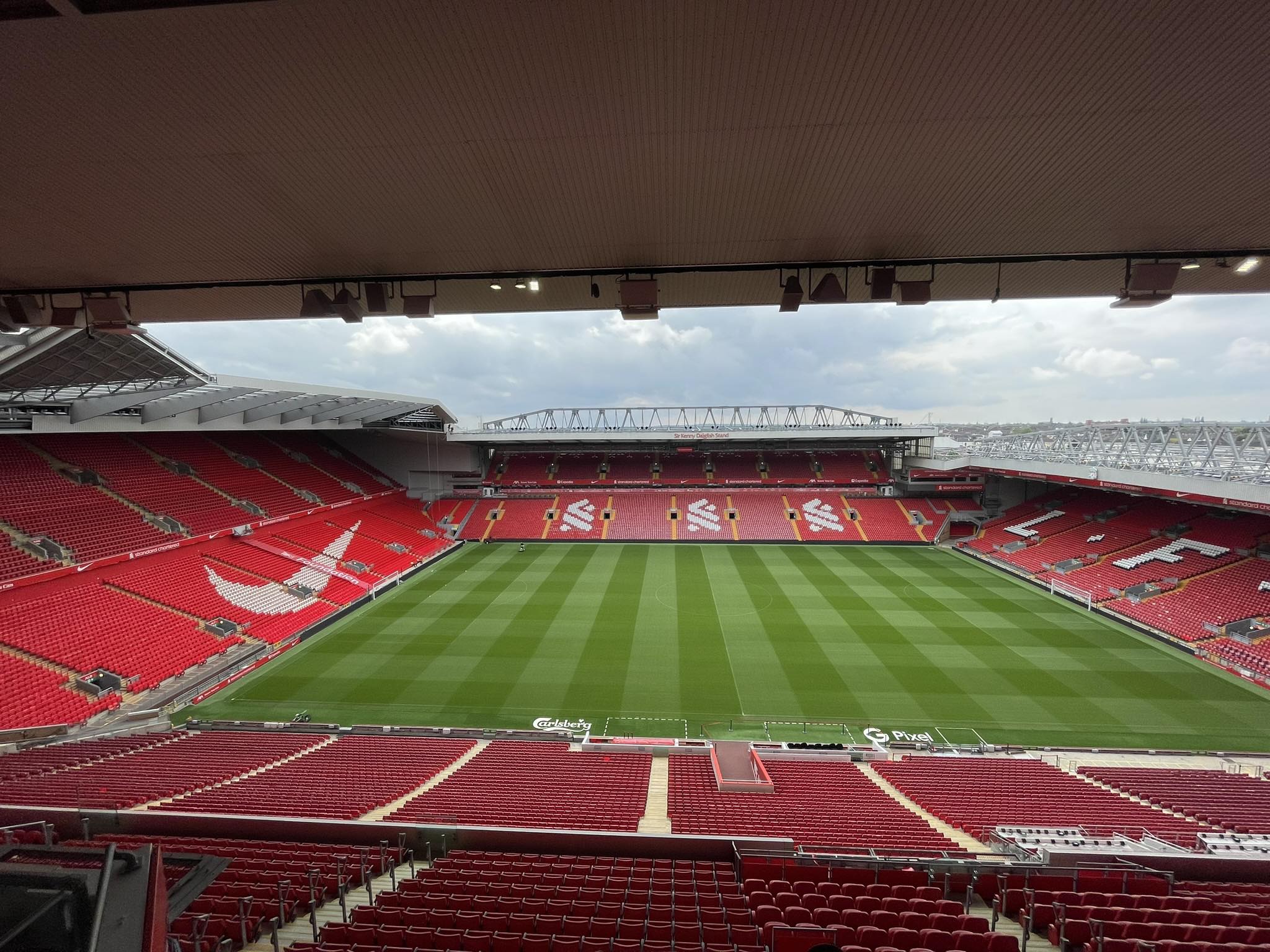
## The Deficit, the History, and the Anfield Factor When the Champions League quarter-final draw produced Liverpool versus Paris Saint-Germain, it generated the kind of fixture preview energy that only the combination of two clubs with particular European histories can produce. The first leg at the Parc des Princes del
The Deficit, the History, and the Anfield Factor
When the Champions League quarter-final draw produced Liverpool versus Paris Saint-Germain, it generated the kind of fixture preview energy that only the combination of two clubs with particular European histories can produce. The first leg at the Parc des Princes delivered a narrow 1-0 victory for the French champions, a result that is simultaneously defensible for Liverpool — they kept PSG to a single goal on their own patch — and genuinely challenging, because scoring at Anfield while not conceding is a different kind of task than simply winning a game on neutral terms.
Anfield's European record over the past decade is one of the primary reasons that Liverpool's 0-1 aggregate deficit is less terminal than it would be at almost any other ground. The stadium has been the site of several of the most dramatic overturning performances in recent Champions League memory, its atmosphere functioning as something between a tactical asset and a psychological weapon. Managers who have prepared opposing teams for European nights at Anfield have consistently described the experience as unlike any other in club football, and the result record in those matches supports that description.
Klopp's departure had, for a period, raised legitimate questions about whether the Anfield atmosphere could retain its specific intensity under a different manager with a different playing identity. The answer, over the course of the 2025-2026 European campaign, has been a provisional yes — the ground remains capable of the specific collective noise and engagement that makes it genuinely different, though the tactical expressions of that energy have evolved under the current setup.
Tactical Keys: How Liverpool Need to Set Up to Get Back Into This Tie
The specific tactical challenge Liverpool face is straightforward to identify but difficult to execute: they need to score first. A PSG goal at any point in the evening transforms the equation in ways that become very hard to recover from — Liverpool would then need three goals without further concession to go through, which is achievable in theory but demanding in practice against a PSG side that has shown the defensive organization to sit on leads competently.
Liverpool's attacking approach under the current manager has leaned on verticality and transition speed, qualities that suit Anfield's compressed atmosphere and the specific way the crowd accelerates pace and pressing intensity. The question is whether PSG's defensive block — which is built around one of the better organized backlines in European football this season — can be undone by those qualities alone, or whether Liverpool will need to supplement them with set-piece delivery and wide overloads to generate the volume of chances that a one-game European result requires.
PSG arrive at Anfield with a specific advantage: they know that a 0-0 draw or a 1-1 scoreline takes them through. That knowledge creates the defensive shape that Liverpool must break down, and it also creates the specific psychological pressure on the home side to attack without losing defensive shape — the exact tension that European nights generate in their most compelling form.
The key individual battle will be between Liverpool's most creative central players and PSG's midfield press. PSG's preferred approach when defending a lead in European away fixtures is to cut passing lanes through midfield and force wide play that their full-backs can contain. Liverpool's best response is quick combination play in central areas to spring forward players into space before the PSG defensive line can reorganize — but this requires the first phase to be won cleanly, and PSG's midfield quality makes that first phase genuinely competitive.
What the Semi-Final Bracket Means for Both Clubs
The semi-final draw was made in advance of the second legs, meaning both clubs already know exactly what awaits the winner. The PSG-Liverpool winner will face the winner of the Barcelona-Atlético Madrid quarter-final — a fixture that seems likely to produce Barcelona, given their 3-2 aggregate lead heading into the second leg at the Metropolitano. The other side of the bracket produces the Bayern Munich-Real Madrid winner (Bayern trail 0-3 and face a near-impossible task) facing the Arsenal-Sporting CP winner.
For Liverpool, a semi-final against Barcelona at Anfield would be one of the most anticipated fixtures in European football — two clubs with intertwined European histories and the specific rivalry that the 2018 and 2019 Champions League campaigns created between their fan bases. The commercial, emotional, and footballing stakes of that fixture would be enormous.
For PSG, the semi-final represents another opportunity in their long pursuit of a first Champions League title — a competition they have invested in heavily without achieving the ultimate prize. Their manager and squad have been assembled with European success as the explicit objective, and reaching a semi-final while defeating Liverpool at Anfield would represent meaningful progress toward that goal.
The Budapest final on May 30 at the Puskás Aréna remains the destination that both clubs are working toward. Tonight at Anfield is Liverpool's last opportunity to be part of that story.