Entertainment | Europe
Justin Bieber's Coachella Set Was Divisive, Weird, and Completely His Own — Here's What Actually Happened
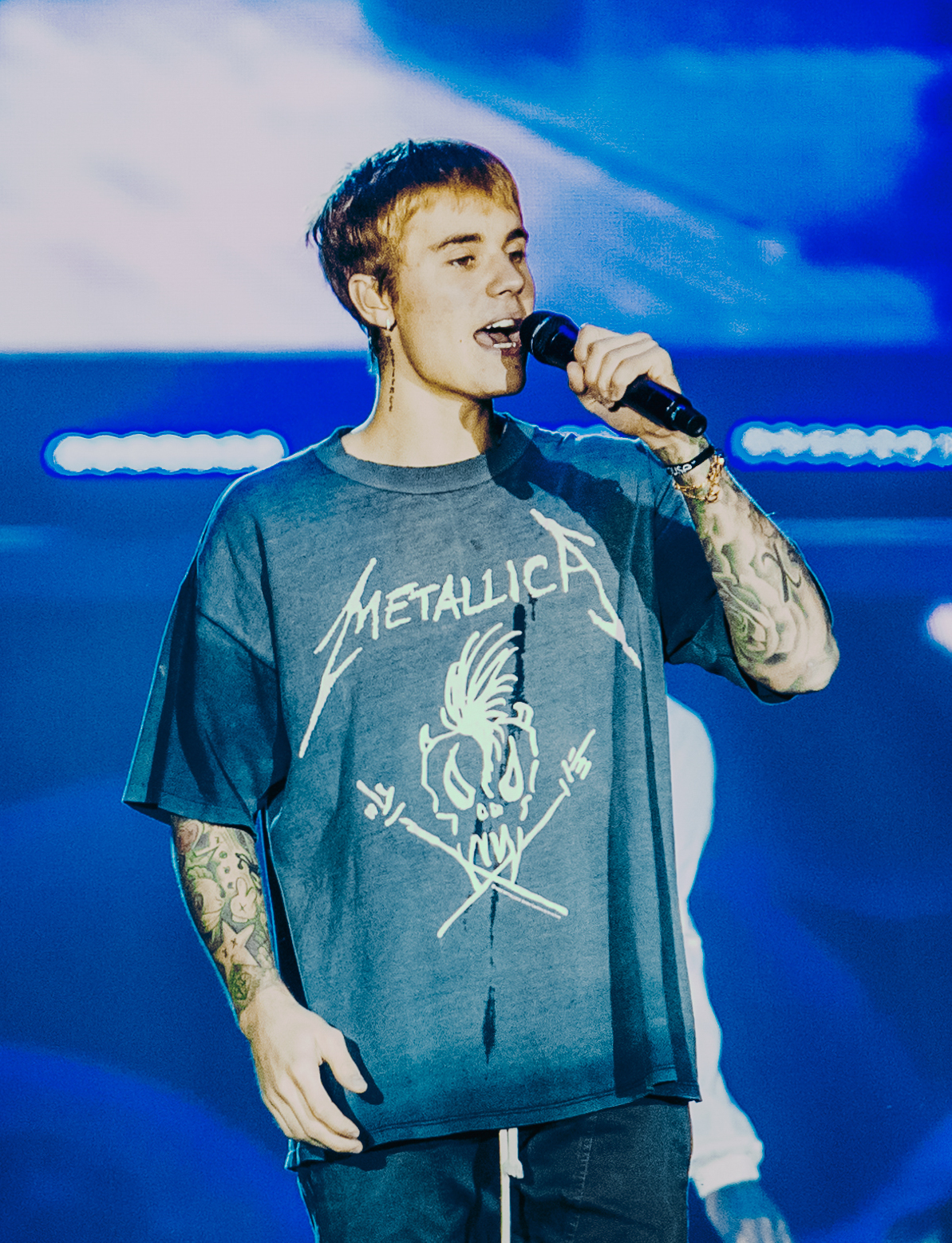
## The Return Nobody Knew How to Predict Justin Bieber has always been a figure the music industry struggles to categorize cleanly. He arrived as a teenage prodigy, navigated the specific cruelty that fame imposes on young people, retreated from public performance repeatedly for health reasons, and re-emerged in 2025 w
The Return Nobody Knew How to Predict
Justin Bieber has always been a figure the music industry struggles to categorize cleanly. He arrived as a teenage prodigy, navigated the specific cruelty that fame imposes on young people, retreated from public performance repeatedly for health reasons, and re-emerged in 2025 with SWAG — his first studio album in four years — which earned a Grammy nomination for Album of the Year and reminded a generation of listeners that his instincts as a recording artist had matured in interesting directions. His headlining slot at Coachella on Saturday, April 11, 2026, was by any measure the most anticipated performance of the weekend's middle night.
What he delivered was not what many expected. It was, depending on your perspective, either a refreshingly honest and stripped-back celebration of his specific artistic vision, or an occasionally baffling performance that occasionally leaned too hard into its own idiosyncrasies. Both readings are defensible. Neither fully captures what actually happened.
Bieber took the stage at approximately 11:30 PM, wearing a hood pulled low over his face. His opening line to the crowd was simple and unguarded: 'Wow wow wow, to be up close and personal with you guys, this is special. This is a night I dreamed about for a long time, so to be here is amazing.' The crowd's response was immediate and loud. Whatever complicated feelings exist about Bieber as a cultural figure, the affection in that particular desert on that particular night was genuine and deep.
SWAG First: An Album-Focused Set That Rewarded True Fans
The first sustained portion of the set was devoted almost entirely to SWAG material. He opened with 'All I Can Take' before moving through 'Speed Demon,' 'First Place,' and 'Go Baby' in rapid succession. The staging was notably sparser than either Sabrina Carpenter's production the previous night or Karol G's spectacle the following evening. Bieber worked a large, mostly uncluttered stage with relatively minimal production design, relying instead on lighting, his backing band, and the emotional directness of the SWAG material.
This was a deliberate choice, and for fans who had engaged deeply with the album, it worked. SWAG is a personal record — confessional in its textures, reflective in its emotional register, built around Bieber's specific experience of fatherhood, faith, relationship, and the particular psychological weight of having been one of the most famous people on Earth since adolescence. Performing it in this context, in front of a crowd of this size, without the distancing effect of elaborate production, was an act of artistic vulnerability that his most devoted fans received with visible gratitude.
For more casual Coachella attendees who arrived expecting a greatest-hits spectacle, the SWAG-heavy opening section was challenging. The crowd's energy, while never hostile, was noticeably uneven during unfamiliar material in a way that it was not once Bieber began reaching back into his catalog.
The Laptop Moment: Genius or Disaster?
The most talked-about moment of the set came when Bieber, mid-performance, produced a laptop and pulled up YouTube to play some of his older hits. The move was both funny and genuinely bizarre — a major headliner essentially saying 'let me just find this on the internet' in front of tens of thousands of people. He queued up 'Baby,' the song that functionally invented the modern YouTube-era pop career, and performed along to it with the delighted air of someone enjoying a private nostalgia trip that he had simply decided to share with a very large crowd.
Reactions online were immediate and polarized. Critics who found the laptop moment charming described it as the most authentically Bieber thing he could possibly have done — self-aware, slightly absurdist, and unbothered by conventional expectations of what a Coachella headliner is supposed to do. Critics who found it frustrating argued it felt unprepared and self-indulgent, a missed opportunity to give a proper theatrical sendoff to some of his biggest catalog moments.
The truth probably lies somewhere in between. Bieber is an artist who has never been fully comfortable with the machinery of large-scale production performance, and the laptop moment felt less like a failure of preparation than like a genuine expression of his personality — someone who finds formal spectacle slightly ridiculous and prefers directness, even when directness takes strange forms.
The guest appearances were highlights by any measure. The Kid LAROI joining for 'Stay' brought one of the set's clearest energy peaks. Dijon, Tems, and Wizkid each appeared during the SWAG section, giving the album's collaborative dimensions a live showcase that worked well in the festival context. Adele, Bad Bunny, Timothée Chalamet, Kendall and Kylie Jenner, Paris Hilton, Tim Cook, and Lizzo were among the celebrities spotted in the audience area, their presence suggesting a level of peer regard for Bieber's artistic standing that the occasional awkwardness of the set's format could not diminish.
What the Set Reveals About Where Bieber Is Headed
Bieber said something near the set's conclusion that has received less attention than the laptop moment but may prove more significant: 'I'm just getting started.' Given his history of health challenges and the years he spent away from touring, the declaration carries real meaning. The Grammy nomination for SWAG, the Coachella slot, and the visible emotional investment in the performance all suggest an artist who has resolved the internal conflicts that repeatedly pulled him away from the stage.
His path back to consistent live performance has been slower and more complicated than almost any other artist of his commercial tier. That he made it to the Coachella main stage at 32, performing new material he clearly cares about and old material he has made peace with, is a story whose resolution is genuinely moving when viewed against the full arc of his career.
The set was not the tightest, most polished headlining performance in Coachella history. It was something more interesting than that: a complicated, occasionally weird, genuinely felt performance from an artist who has been through more than most people his age and is figuring out, in real time and in public, what it means to keep going.