Economy | Europe
Spirit Airlines Is About to Liquidate and the Iran War Killed It — Here Is the Full Story
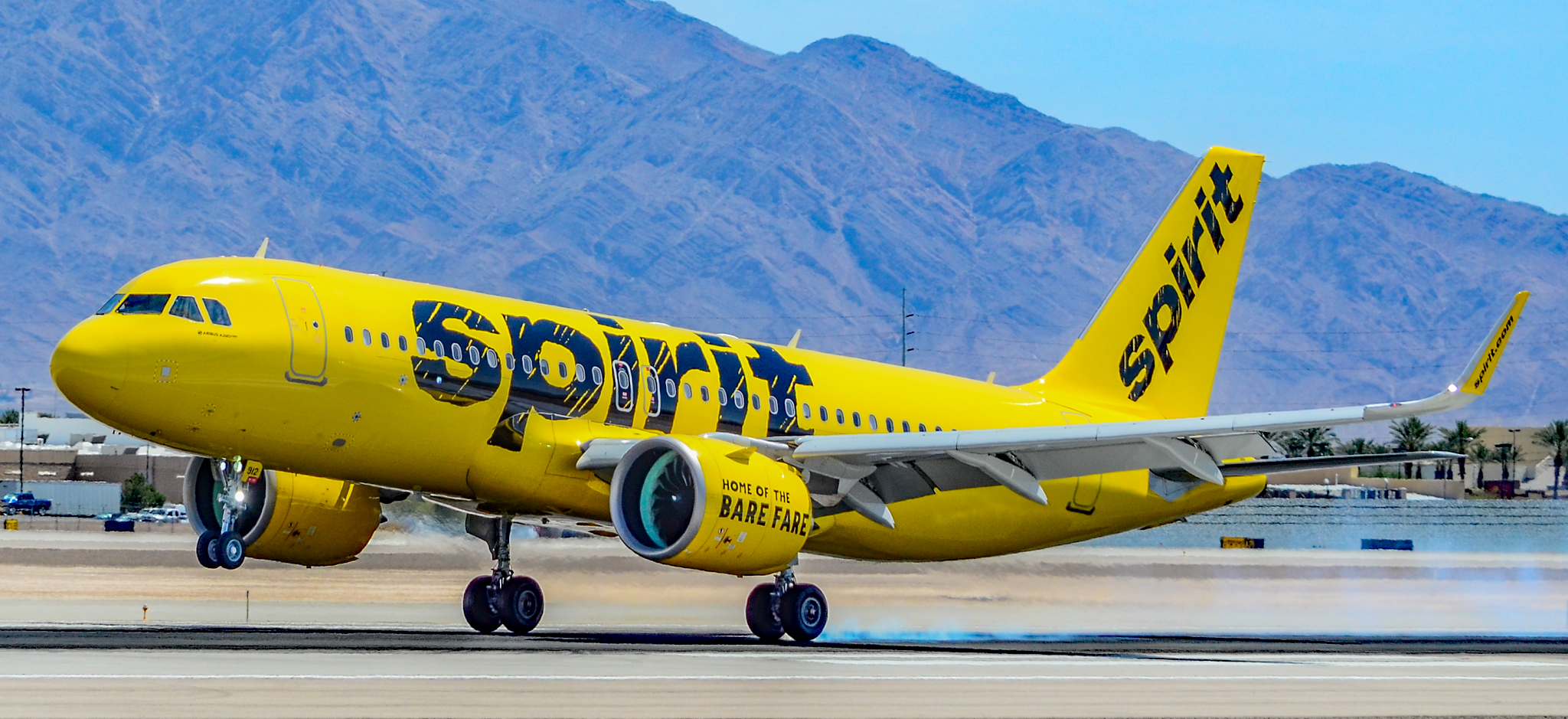
Spirit Airlines could liquidate as early as this week, with jet fuel prices nearly doubling since the Iran war began. The budget carrier filed Chapter 11 bankruptcy twice in under a year and built its restructuring plan on $2.24/gallon fuel that is now $4.88/gallon. Here is the full collapse story.
From Bankruptcy Plan to Liquidation in Six Weeks
In February 2026, Spirit Airlines announced it was on track to emerge from its second Chapter 11 bankruptcy by early summer. The airline had a plan: shrink, focus on high-demand routes, make concessions with pilot and flight attendant unions, and return to profitability on the lower-cost, higher-utilization structure that had made Spirit one of America's most discussed budget carriers for over a decade.
That plan was built on a specific financial assumption: jet fuel costing approximately $2.24 per gallon in 2026 and $2.14 in 2027. On February 28, 2026, the United States and Israel launched military operations against Iran. Tehran closed the Strait of Hormuz. By April 2, jet fuel at major US airports — New York, Houston, Chicago, Los Angeles — averaged $4.88 per gallon, according to Argus data. That is approximately 95 percent above Spirit's planning assumption. JPMorgan analyst Jamie Baker calculated the financial impact: if fuel stays at approximately $4.60 per gallon for the year, Spirit's forecast operating margin collapses from negative 7 percent to negative 20 percent, potentially requiring an additional $360 million it does not have on top of a $337 million cash balance.
Multiple sources familiar with the situation told CNBC and Bloomberg independently that Spirit could liquidate as early as this week. Spirit's official response: 'We don't comment on market rumors and speculation.' That specific non-denial is the particular corporate communication that every aviation analyst covering the situation recognises as the closest thing to confirmation a company will offer before a formal announcement.
How a Budget Airline Dies in Slow Motion
Spirit's specific collapse is the most acute version of a structural problem affecting the entire budget airline sector, but Spirit's version has been more acute because it arrived at this crisis with essentially no margin. Its business model — extremely low base fares, high fees for every ancillary service, maximum aircraft utilisation to spread fixed costs — produces thin margins that require fuel prices to remain within a specific band. When fuel prices double in six weeks, that band has been comprehensively violated.
The company's history adds specific context. Spirit filed for Chapter 11 bankruptcy in August 2025 — its second such filing after an initial bankruptcy and emergence earlier that year. A proposed merger with JetBlue was blocked by a federal judge in 2024 on antitrust grounds. A proposed acquisition by Frontier Airlines was also rejected. Spirit had nowhere to go except to restructure alone, in an environment whose competitive pressures were already eroding its model before the Iran war accelerated everything.
For passengers: Spirit's liquidation eliminates the specific $49 base fares that made it useful to a particular kind of price-sensitive traveler. Its routes will not disappear — competitors have already been adding capacity to Spirit's key destinations in anticipation of the airline's exit. Fort Lauderdale and Miami, where Spirit has its most significant operations, will see the most immediate schedule adjustments.
For the broader industry: Spirit's liquidation will be the most visible casualty of the jet fuel price crisis. It will not be the only one. Airlines across the country are adjusting routes and raising fees. KLM announced 80 European route cuts from Amsterdam Schiphol. Air Canada suspended Toronto-New York JFK service. Ryanair CEO Michael O'Leary predicted 5 to 10 percent of summer flights might be cancelled if conditions don't normalise. And on April 17, conditions began to change.