Economy | Europe
The Strait of Hormuz Just Reopened and Oil Prices Dropped 10% in Hours — What It Means for You
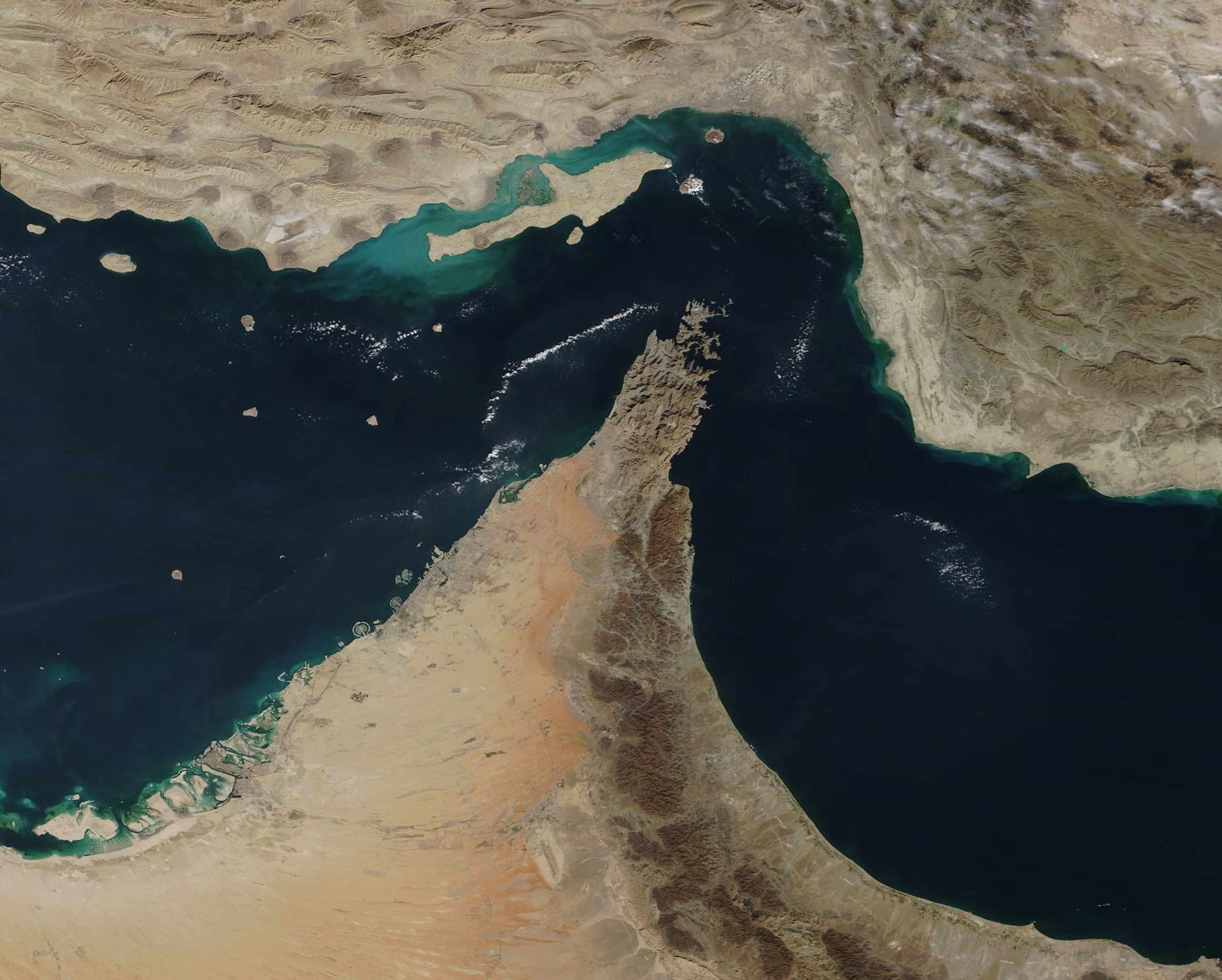
Iran declared the Strait of Hormuz completely open to commercial vessels on April 17, 2026, tied to the Israel-Lebanon ceasefire. Oil prices dropped 10% immediately. Here is what the reopening means for gas prices, airfare, and the global economy — and how long the relief will last.
The Moment Markets Had Been Waiting For
At approximately 7:30 AM Eastern Time on Friday April 17, 2026, Iranian Foreign Minister Abbas Araghchi posted on social media that the Strait of Hormuz is 'completely open' to commercial vessels for the duration of the 10-day ceasefire between Israel and Hezbollah that took effect the previous night. President Trump responded within minutes on Truth Social, touting the development while clarifying that the US blockade on Iranian ships and ports 'will remain in full force' until a broader agreement is reached.
Markets reacted at the speed that algorithmic trading allows. Brent crude, which had been trading above $98 per barrel earlier that morning, dropped to approximately $88 per barrel within hours — a decline of approximately 10 percent. GasBuddy petroleum analyst Patrick De Haan called the development immediately: 'All of this spells a lot of relief for consumers.' The New York Stock Exchange opened substantially higher across all major indices as the energy cost premium that had been embedded in virtually every sector's pricing began to unwind.
For American consumers who have been paying $4.13 per gallon at the pump since the blockade's full effects reached retail prices: the path to meaningfully lower gasoline prices has opened, but it will not arrive overnight. The specific mechanics of oil-to-gasoline price transmission involve refinery purchase cycles, wholesale pricing, and retail margin adjustments whose full effect takes two to four weeks. The April 17 Hormuz announcement will be visible at the pump by mid-May under normal circumstances.
What Reopening Means and What It Does Not Mean
The specific nature of the Hormuz opening creates immediate relief and also specific new uncertainty. Iran declared the strait open 'for the duration of the ceasefire' — meaning the opening is explicitly conditional on the ceasefire holding. The 10-day ceasefire began Thursday night. If it collapses before its scheduled conclusion, the strait closure could resume. The specific dependency between the ceasefire's political sustainability and the strait's operational status creates the particular risk premium that oil futures traders have to price in even as they celebrate the immediate price drop.
The physical relief is also not immediate regardless of the political durability. The International Energy Agency has warned that supply chain disruptions created by the closure will take weeks to fully unwind. Europe currently holds approximately six weeks of kerosene reserves and faces a backlog of tankers that have been waiting in the Gulf of Oman and Persian Gulf for access. Even under ideal conditions, clearing that backlog takes two to three weeks, with full normalization of refined product pricing taking longer.
For air travel specifically — which had been the sector most visibly affected by the jet fuel price crisis — the April 17 announcement provides the first genuine positive signal in weeks. Airlines that had been canceling routes will take several weeks to restore them. KLM's 80 European route cuts from Amsterdam Schiphol, the Canadian carriers' transatlantic route suspensions, and the specific schedule reductions across European airports that had been limiting fuel availability will not be reversed on Friday. But the direction of travel for summer 2026 airfares has shifted from worse to better.