Science | Europe
The Orion Heat Shield Controversy: Why a Former Astronaut Said NASA Shouldn't Have Launched
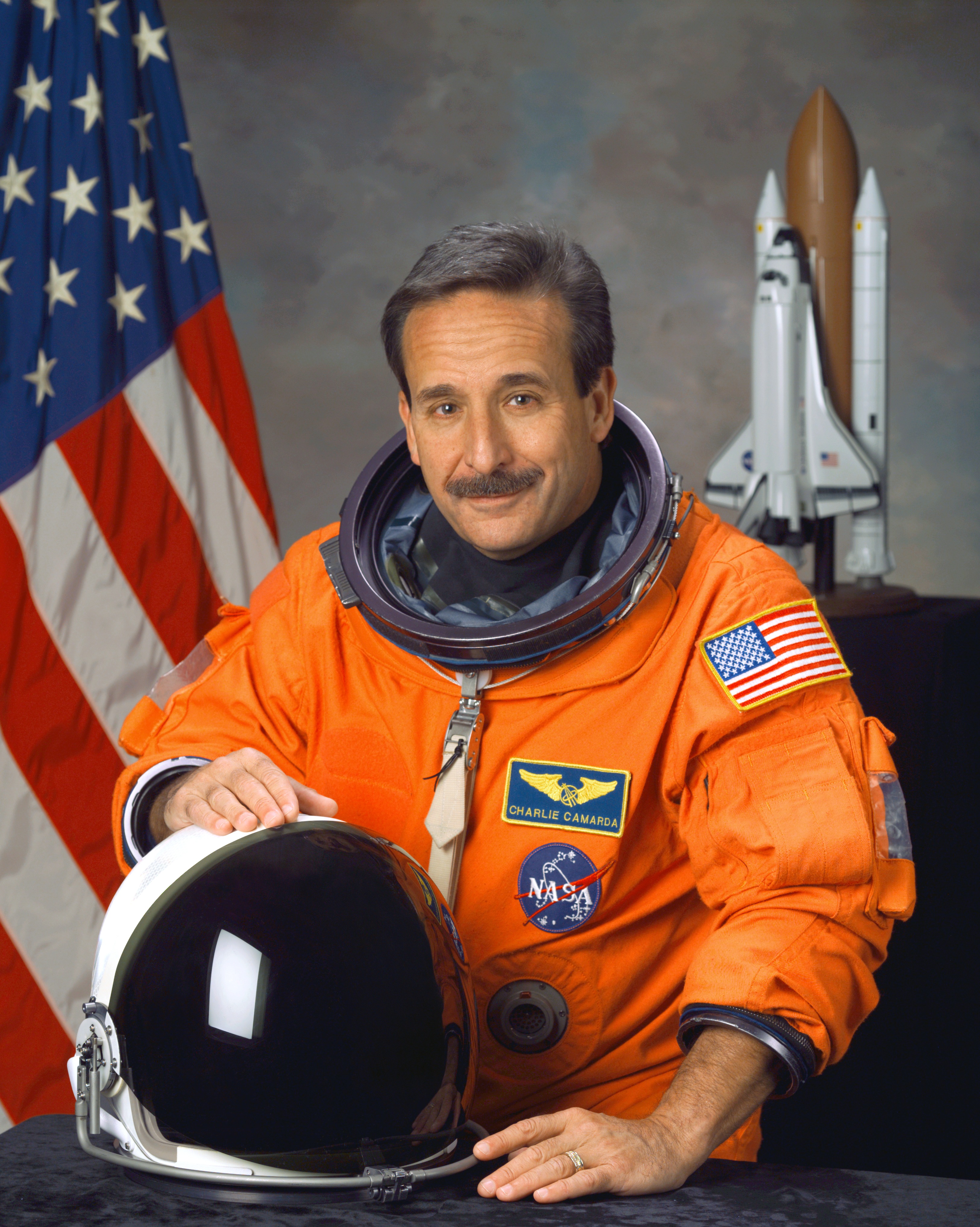
Former NASA astronaut Charlie Camarda warned in January that Artemis II should not launch with the known heat shield flaws. NASA Administrator Isaacman overruled him. Tonight we find out who was right.
- Former NASA astronaut Charlie Camarda warned in January that Artemis II should not launch with the known heat shield flaws.
- In January 2026, Charlie Camarda — a former NASA astronaut who flew on Space Shuttle Discovery's STS-114 return-to-flight mission after the Columbia disaster and who therefore has the specific biographical authority to i...
- "History shows accidents occur when organizations convince themselves they understand problems they do not," Camarda wrote.
Former NASA astronaut Charlie Camarda warned in January that Artemis II should not launch with the known heat shield flaws.
The Open Letter That Put NASA in a Difficult Position
In January 2026, Charlie Camarda — a former NASA astronaut who flew on Space Shuttle Discovery's STS-114 return-to-flight mission after the Columbia disaster and who therefore has the specific biographical authority to invoke the particular institutional failure patterns that preceded both Challenger and Columbia — published an open letter to NASA Administrator Jared Isaacman that drew specific parallels between the heat shield situation and the decision-making patterns that produced those two catastrophes.
"History shows accidents occur when organizations convince themselves they understand problems they do not," Camarda wrote. "This issue exhibits the same patterns that preceded past catastrophes." The specific "patterns" he identified are the particular institutional dynamics that NASA's own post-Columbia investigation — the Columbia Accident Investigation Board report — documented as the specific organizational culture failures that allowed known technical concerns to be rationalized into acceptable risk without genuine resolution.
The specific parallel to both Challenger and Columbia is precise and technically sophisticated. Challenger: NASA's engineers knew the O-ring seals on the solid rocket boosters had specific issues in cold temperatures and had raised specific concerns that were overridden by specific management decisions influenced by specific schedule pressure. Columbia: NASA's foam debris strike on the leading edge of the left wing was identified and discussed, then rationalized away as a problem that either hadn't caused serious damage or couldn't be fixed mid-mission regardless, leading to the specific decision not to request satellite imaging that might have confirmed the severity.
In each case, the specific organizational dynamic was: engineers identify a specific known technical anomaly; management processes the specific anomaly as an acceptable risk; the specific anomaly causes the catastrophe that the engineers' specific concern had anticipated. Camarda's specific January letter argued that Orion's heat shield had followed the same specific pattern.
What the Heat Shield Problem Actually Involved
NBC News' specific reporting on the heat shield issue, published April 9 — the day before splashdown — provided the most detailed public accounting of what the specific flaw involves. On the uncrewed Artemis I mission in December 2022, the Orion capsule's heat shield showed "ablation inconsistencies" — unexpected and uneven material loss patterns during re-entry whose specific character suggested that the particular thermal behavior of Avcoat under lunar-return re-entry conditions differed from what testing had predicted.
The specific problem is not that the heat shield will necessarily fail — it is that the specific failure mode under specific off-nominal conditions is not fully characterized. Engineers know the specific behavior of the heat shield when the specific re-entry path remains within the specific parameters that testing validated. They are less certain about the specific behavior if specific deviations from that path occur — crosswinds, guidance system anomalies, or the specific atmosphere entry conditions that can't be perfectly controlled in real-world operations.
This is the specific uncertainty that Camarda's specific letter was about: not a certainty of catastrophe but the specific institutional over-confidence in an incompletely characterized technical problem — the specific known unknown that previous NASA management had optimistically characterized as a known known.
NASA Administrator Isaacman's specific public position — "full confidence" in the heat shield — reflects the particular position that any administrator who approved the launch must publicly maintain. His specific belief in the engineering analysis, and his specific decision to accept that analysis's risk characterization, is the particular judgment that tonight's splashdown will either validate or — in the specific worst-case scenario that Camarda's letter anticipated — tragically invalidate.
The Re-Entry Path Solution and What It Requires
NASA's specific engineering solution to the incompletely understood heat shield — a specifically redesigned re-entry path whose particular trajectory and entry angle keep the thermal loads within the specific parameters that testing characterized — is the particular workaround whose execution requires precision that Commander Reid Wiseman himself specifically conditioned his confidence on: "If we stick to the new re-entry path that NASA has planned, then this heat shield will be safe to fly."
The specific phrase "if we stick to" acknowledges the specific dependence of heat shield safety on trajectory precision whose execution requires the particular series of correction burns — the last of which was scheduled for Friday April 10 at 1:53 PM Eastern — that mission controllers have been managing throughout the return journey.
At 400,000 feet altitude, Orion enters a six-minute communications blackout as plasma forms around the capsule. During that specific 6-minute window, the four astronauts, NASA's flight controllers, and the global public watching live are all in the particular position of having to wait while the specific heat shield performs under conditions that either match the specific re-entry path's thermal parameters or — in the specific off-nominal scenario that Camarda worried about — do not. The specific 13 minutes from atmosphere entry to splashdown are the particular window whose outcome determines whether the specific institutional risk management decisions that overrode Camarda's concerns were correct.