Entertainment | Europe
Wireless Festival 2026 Is Canceled Because Britain Banned Kanye West — The Full Story of How It Happened
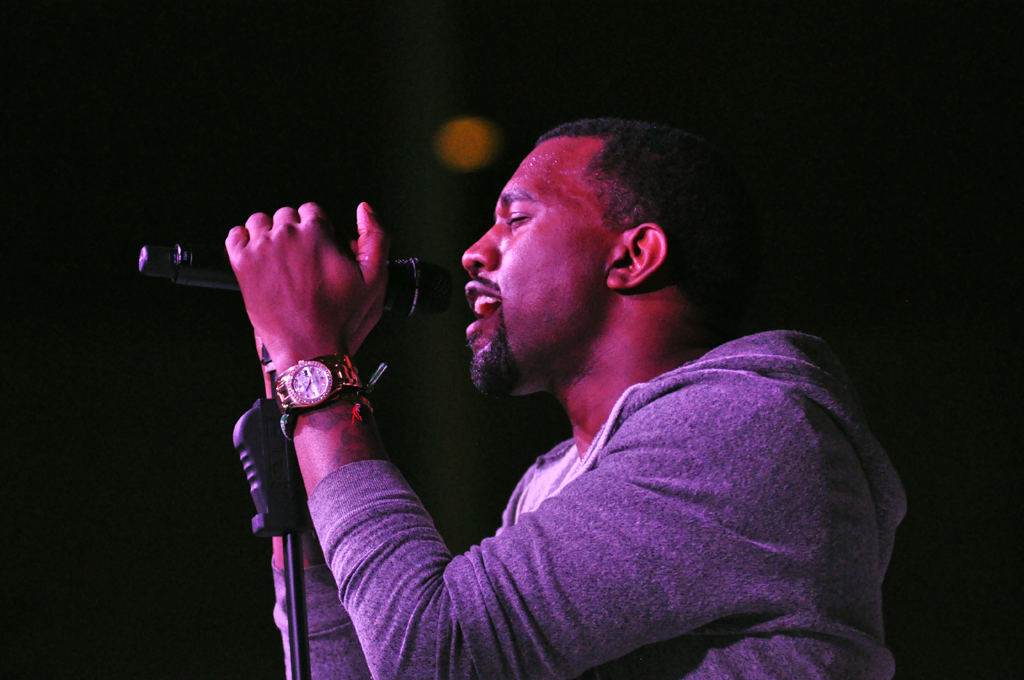
## The Booking That Nobody Could Agree On On March 30, 2026, Wireless Festival — one of London's largest and most commercially successful music events, held annually at Victoria Park — announced that Ye, the artist formerly known as Kanye West, would headline all three nights of its July 2026 edition. It was to be his
The Booking That Nobody Could Agree On
On March 30, 2026, Wireless Festival — one of London's largest and most commercially successful music events, held annually at Victoria Park — announced that Ye, the artist formerly known as Kanye West, would headline all three nights of its July 2026 edition. It was to be his first UK performance since he headlined Glastonbury in 2015. The announcement was met immediately with controversy so intense that it compressed what might have been a weeks-long debate into a matter of days.
The core objection was direct: Kanye West has a documented history of antisemitic public statements that have generated widespread condemnation. His 2022 antisemitic episode — during which he made multiple public remarks that explicitly invoked antisemitic tropes and conspiracy theories, made statements on a variety of platforms, and appeared at events alongside figures associated with neo-Nazi ideologies — had resulted in the loss of his Adidas deal, his representation by multiple agencies, and his position across multiple commercial relationships. His subsequent January 2026 Wall Street Journal apology — a full-page paid advertisement in which he wrote "I owe a huge apology once again for everything that I said that hurt the Jewish and Black communities in particular" — was intended to clear the way for a commercial comeback, including the release of his Bully album in March 2026.
The Jewish Leadership Council responded to the Wireless announcement immediately, calling the booking inappropriate given West's record. London Mayor Sadiq Khan called it "deeply concerning." UK Prime Minister Keir Starmer said the booking was "deeply concerning" as well.
Sponsors Withdrew, The Government Moved, and the Festival Fell Apart
The economic and political pressure escalated rapidly. On April 5, PepsiCo announced it was withdrawing its sponsorship of Wireless entirely, citing West's antisemitic comments. PayPal and other sponsors followed the same day. Festival Republic managing director Melvin Benn issued a public statement asking for "forgiveness" and urging audiences to give West a "second chance," but the institutional and commercial opposition had moved past the point where personal appeals to charity could arrest it.
The UK government confirmed on April 5 that it was reviewing West's right to enter the country. By April 7, the Home Office had acted: it withdrew West's Electronic Travel Authorisation, effectively barring him from entering the United Kingdom. The legal basis for the denial — which can be applied when the Secretary of State determines that a person's presence in the UK is not conducive to the public good — was West's history of antisemitic speech, which several members of parliament had raised as grounds for exclusion.
Festival Republic issued a statement the same day: "As a result of the Home Office withdrawing YE's ETA, denying him entry into the United Kingdom, Wireless Festival is cancelled and refunds will be issued to all ticket holders."
The decision to cancel the entire festival rather than attempt to replace West as headliner reflected the specific structural dependency that the booking had created. West had been booked for all three nights of the event. Finding a replacement who could anchor three consecutive nights of a major festival at short notice was not commercially viable, and the reputational damage from the controversy had made the proposition unattractive to potential replacements in any case.
The West Apology, the Bully Album, and the Ongoing Comeback Attempt
Understanding the Wireless booking requires understanding the specific commercial calculation that Festival Republic was making. West's January 2026 Wall Street Journal apology was carefully constructed as a rehabilitation document — specific enough to acknowledge the harm done, broad enough to allow for forward-looking commercial recovery. His Bully album, released in March, had been reviewed as a return to musical form. Rolling Stone wrote that it was "his most human album to date, inasmuch as it proves that even stars as bright as Ye begin to dim with time."
The Wireless booking, announced two weeks after the album's release, was clearly part of a strategy to translate the musical rehabilitation into live performance rehabilitation — to reassert West's presence on major stages in his strongest market (UK Black music audiences had historically been among his most loyal). The strategy did not account adequately for either the speed of institutional response or the Home Office's willingness to use its entry powers in this specific context.
The PepsiCo withdrawal was decisive because it signaled that the brand community — which funds major festivals through sponsorship — was not prepared to associate itself with the West rehabilitation attempt at this stage, regardless of apologies or musical quality. Once the lead sponsor withdrew, the event's financial viability changed entirely regardless of the government's subsequent action.
For ticket holders, refunds were confirmed as automatic. For West, the UK ban represents a significant setback in the broader comeback project — Britain is a market whose importance to his touring economics and cultural standing he cannot simply circumvent. For Wireless, the cancellation ends a major revenue year and creates questions about the booking strategy that produced this specific outcome.