World | Europe
America's First Socialist Mayor Just Hit 100 Days in New York City — Here Is the Honest Report Card
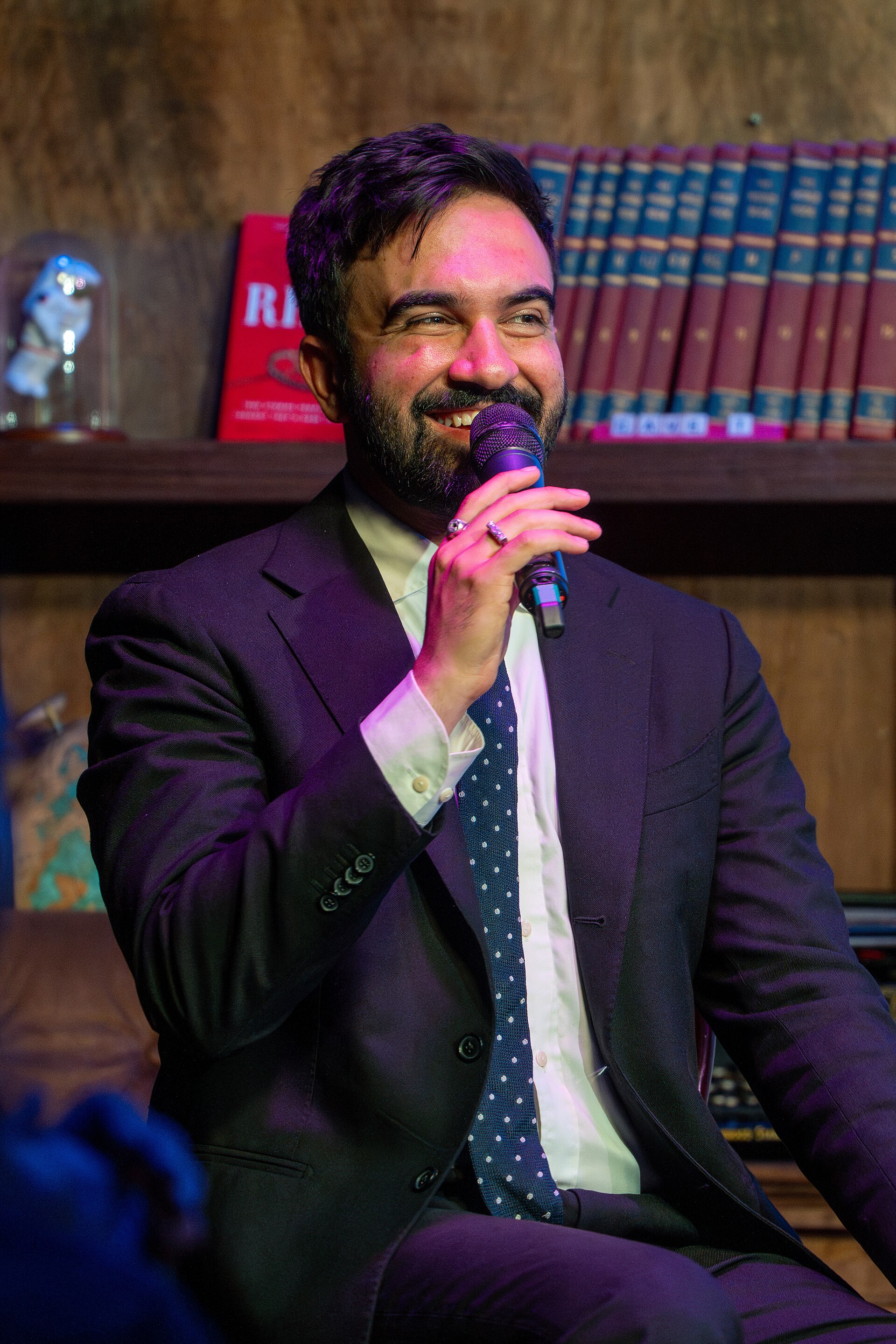
New York City Mayor Zohran Mamdani marked his first 100 days in office with a rally in Queens where Bernie Sanders appeared. He filled 100,000 potholes, secured childcare funding, and opened the city's first government grocery store plan — but his wealth tax was blocked and multiple staff controversies emerged.
The Mayor Everyone Predicted Would Fail Hasn't Failed Yet
When Zohran Mamdani, the 34-year-old democratic socialist, won the New York City mayoral election in November 2025, the predictions for his first months in office spanned from utopian to catastrophic with very little in the middle. His critics on the right predicted fiscal disaster; his supporters on the left predicted a transformative governance model. His first 100 days have delivered something considerably more complicated: a mayor who has proven he can operate city services while navigating a political environment that has resisted most of his larger ambitions.
Marking the milestone on April 12 with dual rallies — first at Terminal 5 in Manhattan, then at the Knockdown Center in Queens — Mamdani delivered what he called a "pothole politics" manifesto: a deliberate reference to the early 20th century "sewer socialism" movement in Milwaukee, which built progressive political credibility through practical municipal improvements rather than ideological proclamation. Bernie Sanders appeared at both events, calling Mamdani's openly socialist governance "the first time I was ever introduced by someone who talked proudly about democratic socialism."
The Wins: Potholes, Childcare, and a Government Grocery Store
Mamdani's administration filled 100,000 potholes in its first 100 days — a metric that functions both as literal governance and political metaphor. Joining sanitation workers to bag trash from an illegal dumping site in the Bronx, filing into a 311 call center to take citizen complaints himself, and pouring concrete over a pothole with his own hands: these are deliberate performances of municipal engagement whose practical effect on the city is real if modest and whose political effect on his image is considerable.
The genuinely significant win: on day eight, Governor Kathy Hochul committed $1.2 billion in state funding for universal childcare for 2-year-olds, beginning with a pilot program in September. The commitment represented Hochul — a centrist Democrat whose ideological distance from Mamdani is substantial — choosing to work with the city on at least one major progressive priority.
The most ambitious new announcement at the 100-day rally: New York City will open a city-owned grocery store, starting in East Harlem in the La Marqueta building that has historical significance for the neighbourhood. Additional borough locations are planned. The specific pitch — affordable groceries in a neighbourhood where nearly 40 percent of households receive SNAP or public assistance — is exactly the kind of tangible benefit delivery that "pothole politics" describes. Its execution will take years; whether it works will determine whether the model expands.
The Setbacks: Blocked Taxes, Staff Controversies, and the $10 Billion Problem
The 100-day report card has a specific obverse: several major campaign promises have encountered structural resistance that shows no sign of yielding. The wealth tax Mamdani campaigned on was rejected by Hochul. His backup plan — a 9.5 percent property tax increase to address the city's $10.4 billion fiscal year 2027 deficit — was blocked by City Council Speaker Julie Menin. The city currently faces a $2 billion deficit for fiscal year 2026. The financing architecture for Mamdani's vision is not yet functional.
Staffing controversies added reputational damage. The Anti-Defamation League reported that at least 20 percent of his 400-person transition team had backgrounds that raised concerns. Several specific appointees generated sustained media attention: Catherine Almonte Da Costa resigned as head of appointments after antisemitic tweets surfaced; Tamika Mallory, assigned to a community safety committee, had a documented history of controversial statements; Waleed Shahid, placed on an organizing committee, had a public record of inflammatory statements about Jewish media outlets.
His free bus promise — one of his most-promoted campaign commitments — has been acknowledged as unachievable this year because it requires Albany's approval that hasn't come. The scaled version: bus speeds increased by 20 percent on 45 routes.