Entertainment | Europe
Meghan Markle Said She Was 'The Most Trolled Person in the World' at an Australian University — Here Is Her Full Message
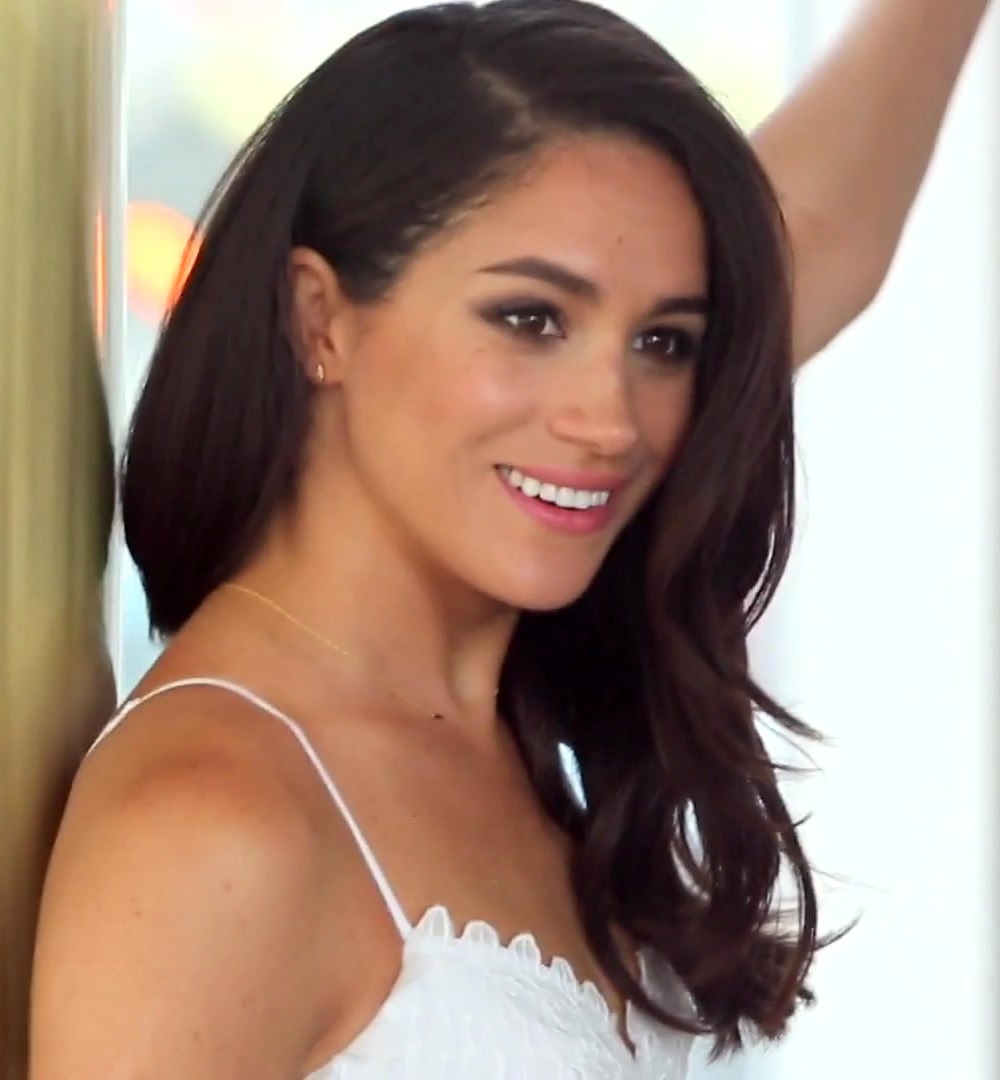
Speaking in Melbourne alongside Prince Harry during their April 2026 Australia visit, Meghan Markle described a decade of sustained online abuse since dating Harry. Harry separately described his own mental health journey, including therapy. Their visit centred on social media safety advocacy.
The Statement That Revived an Old Debate
At a university forum in Melbourne, Australia on April 16, 2026, Meghan Markle addressed students directly about her experience of online abuse, describing herself as "the most trolled person in the entire world" and telling them she had been "bullied and attacked" every single day for ten years. "I'm still here," she added, in what was clearly the intended emotional pivot of the statement.
The visit to Melbourne was part of a broader Australia advocacy tour focused on online safety for young people. Prince Harry and Meghan have been consistent voices on digital harm since the specific period of their own intense media scrutiny during the royal years and the post-departure transition. Australia's recently enacted under-16 social media ban — which Harry described at the same event as "epic" — is the specific policy context that gave their visit particular resonance in the country they were addressing.
Meghan's specific claim about being the most trolled person in the world is a statement she has made in various forms before, and it reliably generates the specific split reaction that characterises any of her public statements: genuine acknowledgement from one side that the scale of targeted online harassment she has received has been documentably extreme, and sceptical pushback from another that the claim invites unfavorable comparison with others who experience online harassment without the resources and platform she possesses.
The specific Australian venue — a university forum, with students rather than a celebrity audience — was intentional. The framing of their advocacy as being about young people's online safety is one that both translates across the political spectrum more effectively than either's personal experience and connects their personal experience to a larger policy conversation about platform accountability.
Prince Harry's Mental Health Disclosure and What It Revealed
Alongside Meghan's cyberbullying focus, Prince Harry made a specific personal disclosure about his own mental health journey that became one of the tour's most reported moments. He described the specific moment he recognised he needed professional help: "I waited until I was literally in the fetal position, much older, lying on the kitchen floor. Until I was like, okay maybe this therapy thing — maybe I should try it."
The specific image — a prince on a kitchen floor — is designed to communicate exactly what Harry intends it to communicate: that his specific circumstances did not protect him from psychological crisis, and that the barriers to seeking help that working-class or middle-class men face are not structurally different from the barriers that royal men face. The message, delivered at a university forum with significant youth attendance, is deliberately translated into the accessible language of crisis recognition.
Harry's mental health advocacy is the dimension of his post-royal work that has received the most consistently positive reception across audiences that might otherwise be sceptical of his broader public statements. The specific evidence of his own therapy engagement — documented across his memoir Spare and subsequent interviews — gives his advocacy credibility that is not contingent on royal context.
The Australia Context and Why the Tour Happened There
Australia's social media ban for under-16s — passed by the federal parliament and implemented in March 2026 — is the most ambitious regulatory action taken anywhere in the democratic world to specifically restrict children's social media access. Its implementation has been watched globally by governments, platform companies, researchers, and child welfare advocates as a real-world test of whether age-based social media restrictions are enforceable and effective.
Harry and Meghan's choice of Australia for this specific advocacy tour reflects the country's position as the most advanced practical implementation of the regulatory approach they advocate. Their presence amplifies the policy moment and provides the celebrity endorsement whose practical effect on public opinion about social media safety they understand from direct experience on both sides — as advocates for regulation and as people whose own digital lives have been shaped by the absence of it.