Entertainment | Europe
Sylvester Stallone Is Getting a Biopic and the Rocky Director Is Making It — Here Is Everything About 'I Play Rocky'
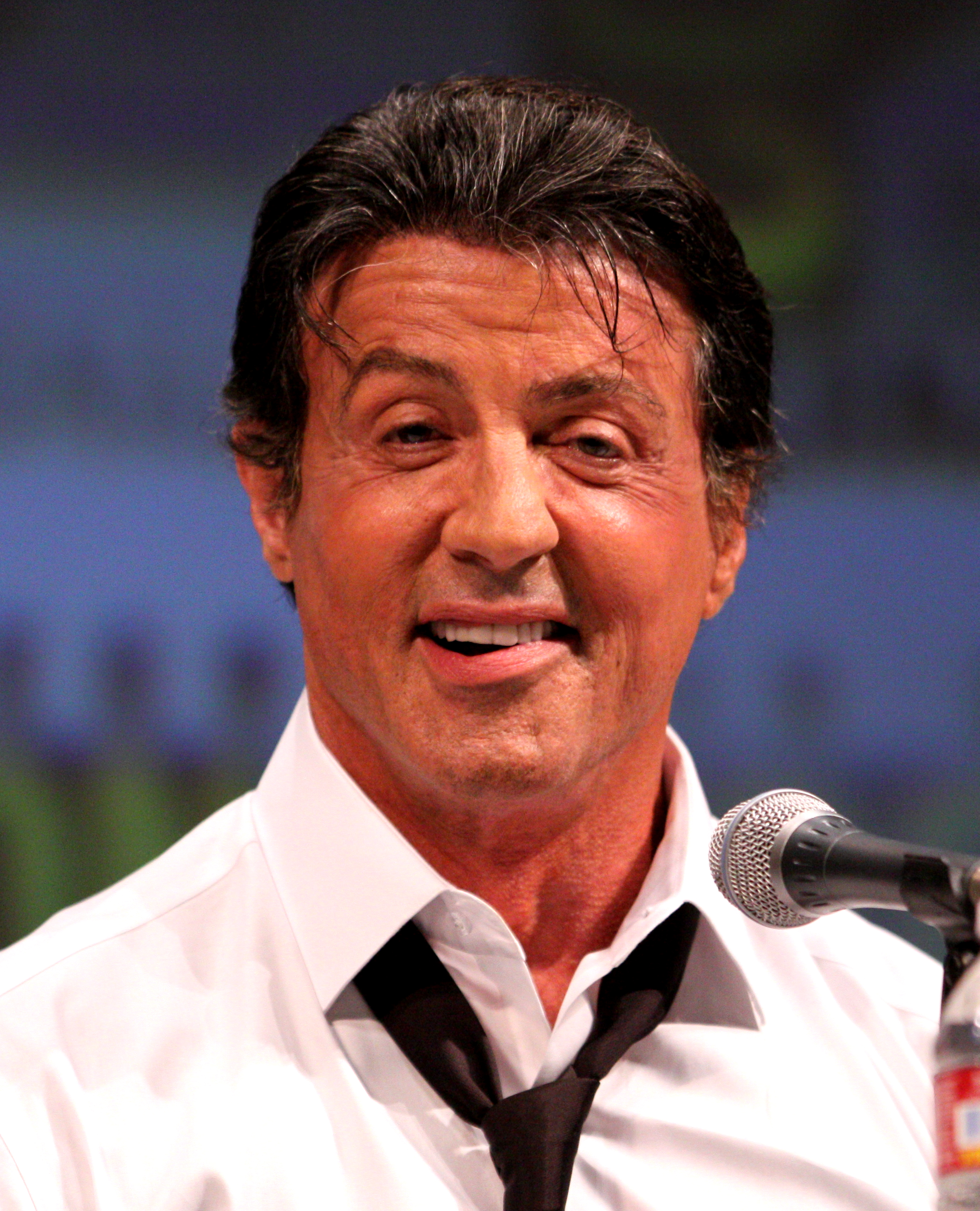
Peter Farrelly's 'I Play Rocky,' a biopic about Sylvester Stallone, was announced at CinemaCon 2026, opening November 20 to coincide with Rocky's 50th anniversary. Here is the full story of the film, what's known about its approach, and why Stallone's story is perfect biopic material.
The Story Behind One of Hollywood's Most Unlikely Origin Stories
At CinemaCon 2026, director Peter Farrelly — best known for the Farrelly Brothers' comedy catalog (There's Something About Mary, Dumb and Dumber) and his subsequent dramatic pivot with Green Book (2019 Academy Award for Best Picture) — appeared with the cast of I Play Rocky, the upcoming biopic of Sylvester Stallone, scheduled for theatrical release on November 20, 2026. The specific date aligns with the 50th anniversary of the original Rocky's November 21, 1976 release — a detail that demonstrates the specific intention to frame the film as a commemorative cultural event as much as a conventional biopic.
The Sylvester Stallone story is, in a specific sense, already one of Hollywood's most told origin stories — the struggling actor who wrote Rocky in three days, sold the script for a reported $100,000 while insisting on playing the lead himself, and participated in making a film that won the Academy Award for Best Picture and generated one of American cinema's most enduring franchises. The specific details of that story are well-known in outline. What a biopic can offer is the specific interiority — the particular doubt, ambition, personal history, and specific emotional experience of a 29-year-old actor-writer betting everything on one script — that origin story summaries can't convey.
Peter Farrelly as the Specific Right Choice
Farrelly's specific career trajectory makes him an unexpectedly appropriate director for this material. His comedy work demonstrated a specific understanding of masculine performance — the particular way that American men perform their aspirations and failures in public — that his Green Book Oscar validated as reaching further than comedy. Stallone's story is specifically about masculine performance: the specific way a working-class Italian-American actor from New York performed the version of American optimism that Rocky embodies, in a film that was itself simultaneously a performed boxing narrative and a genuine personal statement.
The Rocky story is also, in a less examined dimension, the story of someone who understood himself well enough to insist on a specific role that everyone else thought he was wrong for — and to be right. That specific act of self-knowledge, maintained against significant institutional pressure, is the psychological interior that a good biopic finds and makes visible. Whether Farrelly's approach to this material focuses on that interior or on the more conventional 'struggling artist makes good' framework will determine whether I Play Rocky is genuinely interesting or merely commemorative.