World | Europe
The Islamabad Accord: Pakistan Brokered the Impossible Ceasefire — Here Is How
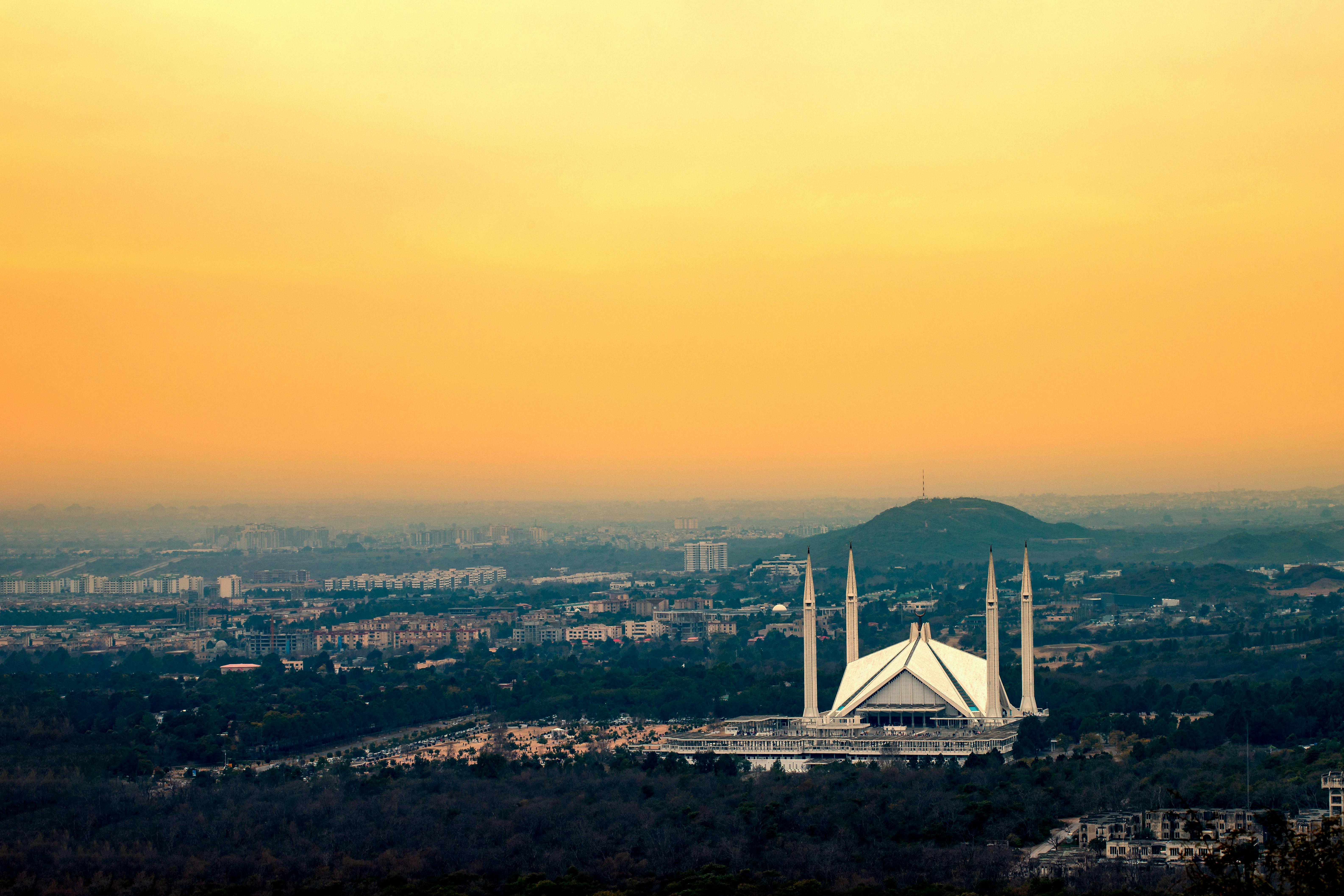
Pakistan brokered the US-Iran ceasefire in just 72 hours. China, Saudi Arabia, Turkey, Egypt, and Qatar all helped. Here is the full inside story of the diplomatic achievement that stopped World War Three.
- Pakistan brokered the US-Iran ceasefire in just 72 hours.
- Pakistani Prime Minister Shehbaz Sharif's Thursday April 9 post credited the ceasefire to a coalition whose breadth reflects the specific diplomatic orchestration required to simultaneously persuade two parties whose pub...
- Trump confirmed the China dimension in an interview with Agence France-Presse: he believed China had played a "pivotal role in persuading Iran to negotiate toward a temporary truce.
Pakistan brokered the US-Iran ceasefire in just 72 hours.
The 72 Hours That Saved a War From Getting Worse
Pakistani Prime Minister Shehbaz Sharif's Thursday April 9 post credited the ceasefire to a coalition whose breadth reflects the specific diplomatic orchestration required to simultaneously persuade two parties whose public positions were as incompatible as "unconditional surrender" (Trump's formulation in March) and "permanent end to all hostilities with sanctions lifting and reconstruction" (Iran's 10-point proposal). China, Saudi Arabia, Turkey, Egypt, and Qatar all provided what Sharif called "invaluable and all out support."
Trump confirmed the China dimension in an interview with Agence France-Presse: he believed China had played a "pivotal role in persuading Iran to negotiate toward a temporary truce." The specific Chinese leverage — Iran's dependence on Chinese crude oil purchases as its primary export customer during the sanctions period, combined with China's specific economic relationship with Iran that the US-Iran war was disrupting — created the particular pressure point that Chinese persuasion could apply.
But the specific mechanics of the final agreement ran through Pakistan. Field Marshal Asim Munir — Pakistan's army chief whose direct communication line with Vice President JD Vance was the specific US-side back-channel — and Prime Minister Sharif's direct relationship with both the Iranian government and the Trump White House created the particular institutional combination that made Pakistan the specific mediator whose ceasefire framework could be simultaneously acceptable to both parties.
The specific 72-hour sprint that produced the ceasefire began when Trump's April 7 deadline became impossible to extend again without destroying whatever remained of its credibility. The specific Kharg Island strikes that morning — hitting military targets while sparing oil infrastructure — were simultaneously an escalation and a signal: we are willing to hit Kharg's military assets but haven't hit the oil terminals, which means you still have the specific economic asset we're threatening to destroy. That specific signal created the particular last-minute bargaining space that Pakistan's specific framework could fill.
China's Specific Role and What It Got in Return
China's specific interest in ending the war quickly was both economic and strategic. The particular economic impact of Hormuz closure on Chinese manufacturing — whose specific dependence on Gulf oil imports means every day of disruption creates specific supply chain pressure — created genuine urgency. But the specific strategic dimension is equally important: a prolonged US military campaign in Iran's neighborhood, with the specific potential for regime change and US-aligned government replacement, is the particular geopolitical outcome that China's specific regional strategy most specifically wants to prevent.
China's specific diplomatic leverage over Iran runs through the particular economic relationship that the 25-year cooperation agreement signed in 2021 institutionalized. China's $400 billion investment commitment to Iranian infrastructure in exchange for discounted oil created the specific dependency relationship whose exploitation as diplomatic pressure provides the particular "helping persuade Iran" mechanism that Trump described.
What China got in return is the particular question whose public answer is incomplete. The specific US acknowledgment that China played a pivotal role in the ceasefire creates the particular diplomatic credit whose value extends beyond this specific conflict to the particular global governance questions about China's specific role in managing Middle Eastern stability. A China that has demonstrably helped stop an American-started war from escalating further is a China whose specific claim to global governance authority is strengthened in specific multilateral contexts.
Saudi Arabia's Calculation and What the Gulf States Want
Saudi Arabia's specific welcome of the ceasefire — whose announcement came in a formal Foreign Ministry statement emphasizing the importance of a "permanent agreement" and specifically affirming the necessity of keeping Hormuz "open for navigation" — reflects both genuine relief and the particular Saudi interest in the specific post-war Gulf security architecture.
Saudi Arabia's specific experience of the war — missiles and drones targeting its Eastern Province energy infrastructure, the temporary closure of the King Fahd Causeway, the specific fear for Aramco's Ras Tanura facilities — created the particular direct cost of hosting US forces and the specific motivation to end the conflict that pure alliance loyalty to America cannot fully explain. Saudi Arabia wants the war to end because Saudi infrastructure was being hit.
Abdullah Al Jaber, who runs Abu Dhabi National Oil Company (ADNOC), articulated the Gulf state consensus as cleanly as anyone: "The Strait was not built, engineered, financed or constructed by any state. This moment requires clarity. So let's be clear: the Strait of Hormuz is not open. Access is being restricted, conditioned and controlled." His specific description of the Hormuz situation — "weaponization of this vital waterway" — is the particular economic security framing that Gulf states are using to pressure both Iran and the US toward the specific Hormuz arrangement that actually restores the specific conditions their specific economies require.