World | Europe
Trump vs the Pope: An American President Attacks an American Pope — This Has Never Happened Before
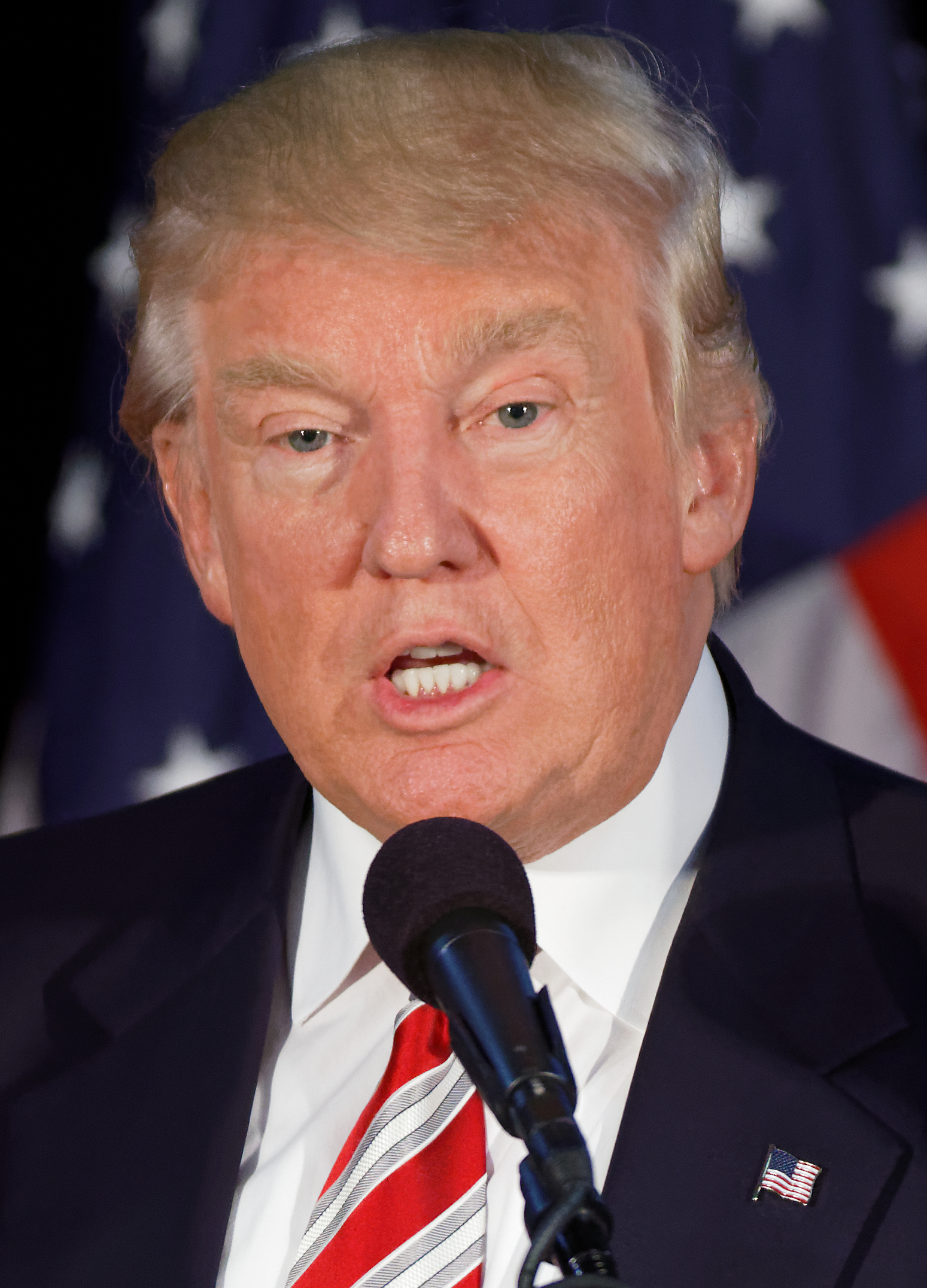
Trump called the first American Pope 'WEAK on Crime' and 'terrible for Foreign Policy' after Pope Leo condemned the Iran war. Here is the full story of the most extraordinary church-state confrontation in American history.
The Post That Nobody Expected
On Sunday evening April 12, 2026, approximately one hour after 60 Minutes aired a segment on Pope Leo XIV and US cardinals opposing Trump's Iran war and immigration policies, President Trump posted to Truth Social. The specific post was not a measured diplomatic response. It was a tirade.
"Pope Leo is WEAK on Crime, and terrible for Foreign Policy," Trump wrote, before launching into a multi-paragraph denunciation of the first American-born leader of the Roman Catholic Church. He accused the Pope of thinking it's "OK for Iran to have a Nuclear Weapon." He brought up Venezuela. He referenced the Pope's brother Louis, saying "Louis is all MAGA. He gets it, and Leo doesn't." He claimed: "If I wasn't in the White House, Leo wouldn't be in the Vatican." He said he wanted a pope who would not "criticize the President of the United States because I'm doing exactly what I was elected, IN A LANDSLIDE, to do."
At Joint Base Andrews, returning from Florida, Trump kept going with reporters. "I don't think he's doing a very good job. He likes crime, I guess," he said. "We don't like a pope that's going to say that it's OK to have a nuclear weapon." When pressed, he added: "I'm not a big fan of Pope Leo."
Three senior American cardinals responded with a joint statement on Monday, calling recent policies into question and saying they had thrown America's "moral role in confronting evil" into doubt.
Father James Martin, the Jesuit priest and editor at large of America magazine, posted: "I doubt Pope Leo XIV will lose any sleep over this, before he begins his pilgrimage to Africa tomorrow. But the rest of us should."
Who Pope Leo XIV Is and Why He Said What He Said
Pope Leo XIV is Robert Prevost, born in Chicago, who became the first American elected to the papacy in almost a year of his pontificate. His election was described by Trump at the time as "a great honor for our country" — the relationship's deterioration into this specific Sunday night confrontation reflects the specific reality that Leo, like his predecessors, governs a billion-member global institution whose moral mandate transcends any single nation's preferences.
Leo has been consistently and specifically vocal about the Iran war. Last week, he condemned Trump's Tuesday threat that a "whole civilization will die tonight" unless Iran agreed to a deal, calling the remark "truly unacceptable." He urged people to "contact the authorities — political leaders, congressmen — to ask them, tell them to work for peace and to reject war always."
On Saturday April 11, Leo referred to the US military offensive in Iran as a "delusion of omnipotence," saying: "Enough with the idolatry of self and money! Enough with the display of force! Enough with war! True strength is manifested in serving life." He said it was "truly unacceptable" for any leader to threaten to destroy an entire civilization. He specifically invoked international humanitarian law's prohibition on attacks on civilian infrastructure.
Trump's specific characterization — that Leo "thinks it's OK for Iran to have a nuclear weapon" — is not a quote from or even a paraphrase of anything the Pope has said. Leo's specific statements focus on the proportionality of military force and the protection of civilian populations. His objection is to specific tactics and specific rhetoric, not to nuclear nonproliferation goals. The specific mischaracterization reflects the particular political communication technique of reducing complex moral positions to the specific binary that generates maximum base-mobilizing outrage.
Why This Is Historically Unprecedented
No American president has ever publicly attacked a sitting Pope in the specific terms that Trump deployed Sunday night. The specific history of US presidential-papal relations involves disagreements — Kennedy's specific assurances to Protestant voters that he would not take Vatican direction, Reagan's specific alliance with John Paul II on anti-communism, Obama's specific disagreements with Benedict XVI on healthcare — but those disagreements were managed through specific diplomatic channels and specific respectful public framing.
The specific unprecedented nature of Trump's attack involves several dimensions. The first is the personal — "I'm not a big fan of Pope Leo" said directly to reporters, the specific "he likes crime" comment that directly misrepresents Leo's actual positions. The second is the constitutional — Trump's claim that Leo would not be Pope "if I wasn't in the White House" represents a specific assertion of American presidential influence over the governance of a sovereign global religious institution whose 1.3 billion members include tens of millions of American Catholics whose specific political representation in the Democratic Party makes the specific attack politically complex.
The specific 70 million American Catholic population's reaction to a president telling them he's not a fan of their Pope is the particular political calculation whose complexity Trump's political team is presumably managing. American Catholics vote in roughly equal proportions for Republicans and Democrats, making them the specific swing constituency whose specific alienation through a sustained anti-papal campaign creates the specific electoral mathematics whose management requires the particular political sophistication that Sunday night's tarmac comments did not consistently demonstrate.
For the specific global Catholic community: Leo's specific response — pilgrimage to Africa on Monday, as Father Martin noted — reflects the particular institutional indifference to American presidential opinions that a 2,000-year institution projects with specific authority. The Vatican did not immediately respond to requests for comment. It did not need to.