World | Europe
Pope Leo XIV Landed in Africa and His Message Was Exactly What the War Didn't Want to Hear
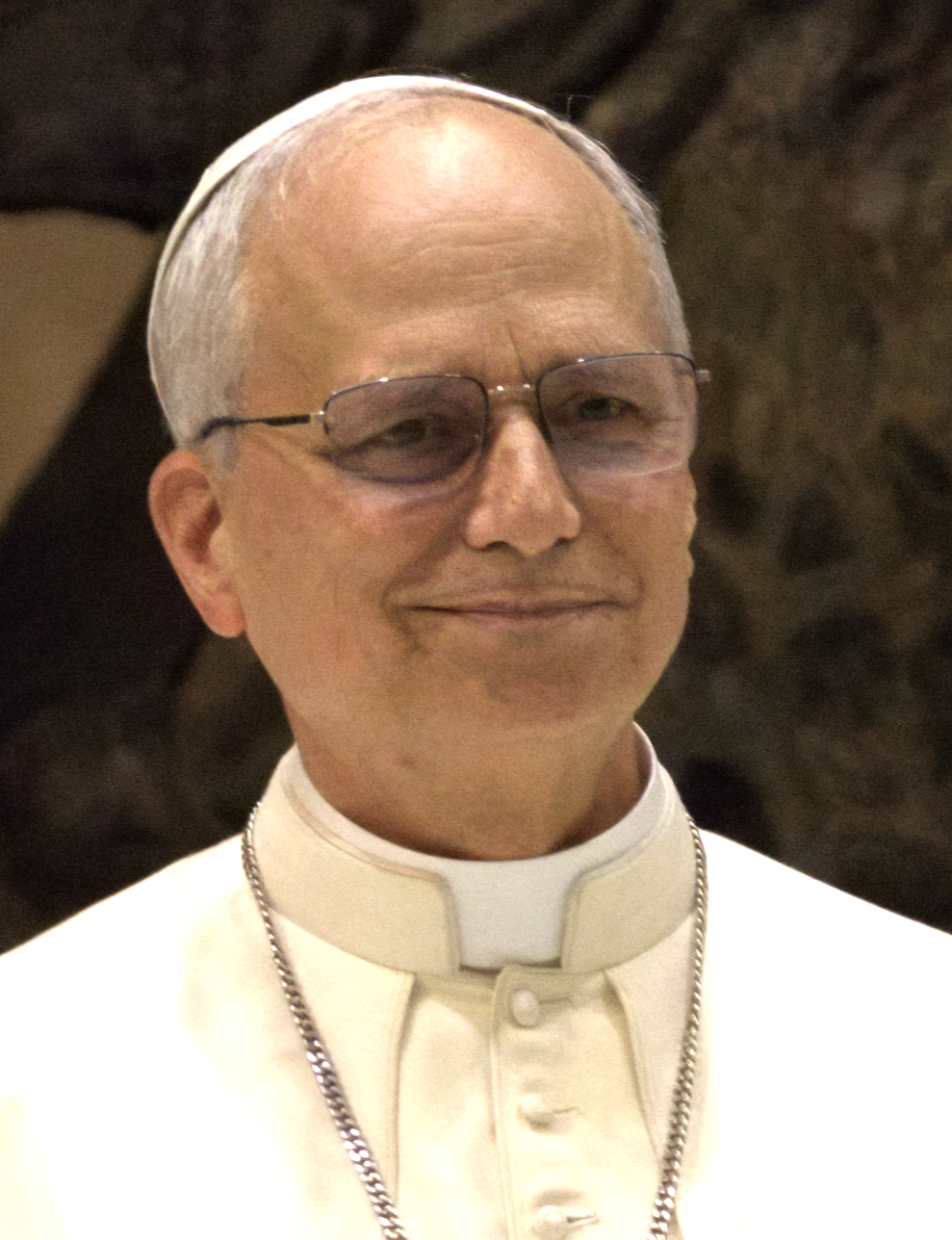
## The Most Geopolitically Charged Papal Journey in Decades On Monday April 13, 2026, Pope Leo XIV — Robert Prevost, the Chicago-born first American Pope — departed Rome for Africa, beginning an 11-day apostolic journey to Algeria, and subsequently to Cameroon and two other African nations, that NPR described as "so di
The Most Geopolitically Charged Papal Journey in Decades
On Monday April 13, 2026, Pope Leo XIV — Robert Prevost, the Chicago-born first American Pope — departed Rome for Africa, beginning an 11-day apostolic journey to Algeria, and subsequently to Cameroon and two other African nations, that NPR described as "so dizzying in its complexity it recalls some of the globetrotting odysseys of" previous popes. The journey was planned before the Iran conflict began, but it arrives at a moment when Leo's specific voice on the conflict — critical of both the military escalation and the humanitarian consequences — has made him one of the few internationally credible figures speaking in the specific language of peace in a global information environment saturated with war news.
His first address in Algeria — at the Basilica of Saint Augustine in Annaba, a city whose specific historical connection to the theology of the Catholic Church's most important intellectual figure gives any papal address there a specific resonance — was described in AP and AFP pool reporting as delivering a message of peace for both the Iran conflict and for Africa's specific ongoing conflicts. His language about the Iranian situation has been specific and consistent: he has called Trump's threats against Iranian civilian infrastructure "truly unacceptable," described the military offensive as reflecting a "delusion of omnipotence," and urged political leaders and members of Congress to "work for peace."
Trump's response — a Truth Social post calling Leo "WEAK on crime" and "terrible for foreign policy" — arrived before Leo had even boarded the plane for Africa. Leo's response, as Father James Martin noted on social media, was to begin his pilgrimage to Africa without comment, a specific communication choice whose eloquence lies entirely in what it doesn't say.
The Africa Mission and Its Specific Dimensions
Leo's Africa trip is not solely or primarily about the Iran conflict, even if that specific political context shapes how it is being covered internationally. His African journey addresses specific continental concerns that are central to his specific vision of the global Church: the ongoing armed conflict in Cameroon's anglophone regions (the "Ambazonia" conflict, which has displaced hundreds of thousands and produced significant civilian casualties with limited international attention), the broader question of the Catholic Church's relationship with African Catholic communities that constitute an increasingly large share of the global Catholic population, and the specific institutional dimension of a pope who understands that the Church's future is more African and more global than its historical European center suggests.
In Cameroon specifically, Leo's meeting with President Paul Biya carries specific diplomatic weight. Biya has been Cameroon's president since 1982, making him one of the world's longest-serving heads of state, and his specific management of the anglophone conflict has been characterised by critics as insufficient to the humanitarian scale of the crisis. Leo's specific message to Biya — carried in the diplomatic tradition of papal visits that combine personal warmth with institutional advocacy — will include the specific peace message whose delivery in this context carries more direct consequence than any equivalent statement about a conflict that Western media covers heavily.
The First American Pope on a Continent He Is Choosing to Prioritize
Leo's specific choice to make Africa the destination of his first extended apostolic journey reflects something meaningful about his priorities as pope. His predecessor undertook multiple Africa visits across a long pontificate; Leo's decision to make Africa the destination of his first extended post-Rome journey suggests a specific institutional statement about where the Church's energy and attention should be directed.
The specific demographics of the global Catholic Church support that statement: African Catholicism is growing faster than the Church in any other region, with specific nations including Nigeria, the DRC, and Tanzania now hosting Catholic communities whose size and vitality represent the Church's specific demographic future. A pope who takes Africa seriously — who travels there early, who engages with its specific conflicts and its specific communities, who brings the specific media attention that any papal visit generates — is making a specific institutional investment whose returns will be measured in the decades of his pontificate rather than in the news cycle of his first year.