World | Europe
Trump Attacked the Pope Again — And Three Cardinals Are Now Speaking Out Against the President
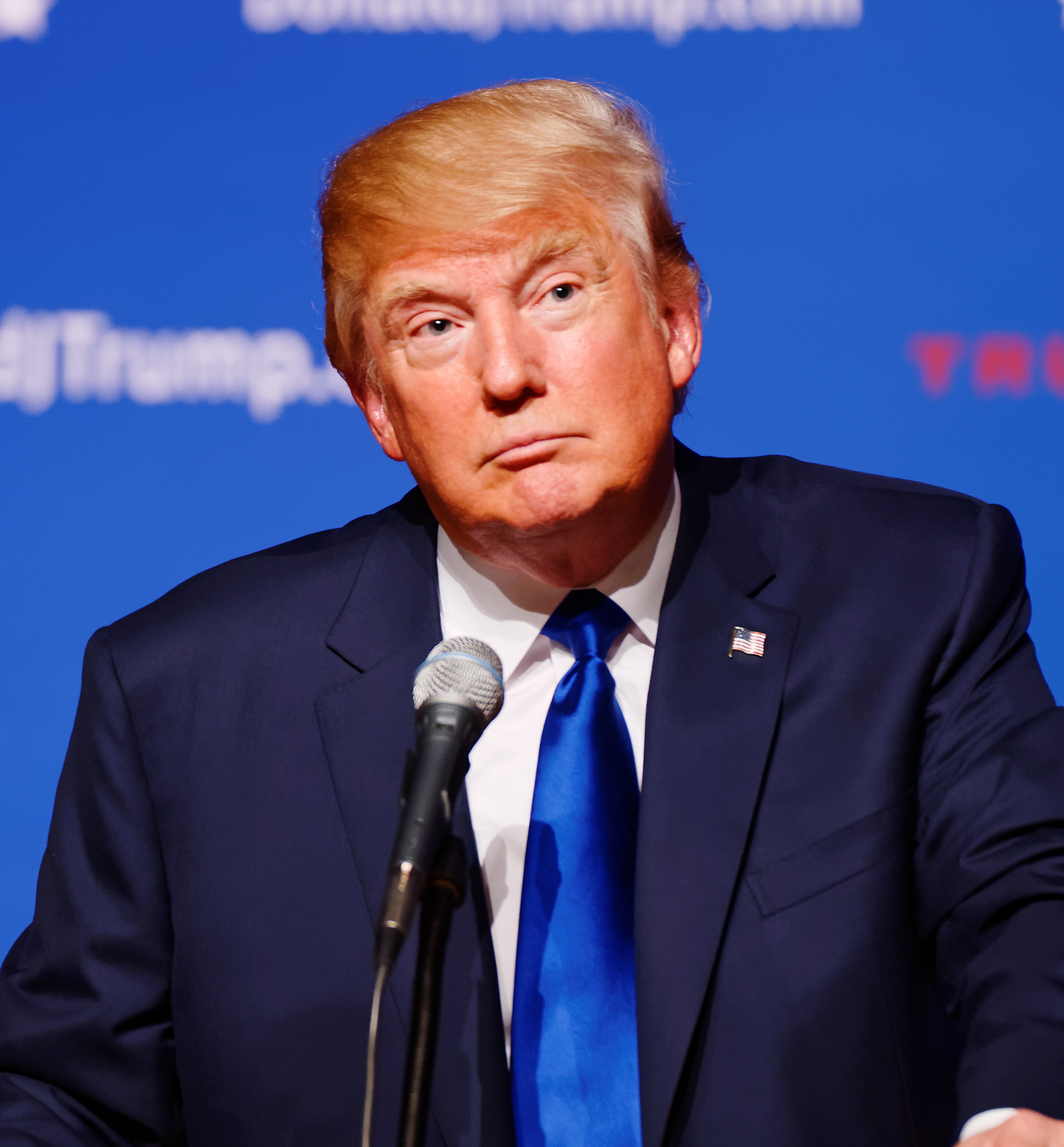
President Trump continued his public attacks on Pope Leo XIV in April 2026, saying the US-born pontiff is 'not doing a very good job.' Three senior cardinals have responded with rebukes. Here is the full story of a historically unprecedented conflict between a US president and a pope.
An Unprecedented Confrontation Between the Oval Office and the Vatican
President Trump's attacks on Pope Leo XIV — Robert Prevost, the Chicago-born Augustinian friar who became the first American pope earlier this year — have now produced a specific institutional response from within the Church that is historically remarkable. Three senior cardinals, speaking in various formats between April 12 and April 15, have offered public rebuke of Trump's characterisation of Leo as doing a "very good job" — specifically, Trump said he did not think Leo was doing a very good job, a statement delivered in the specific register of casual opinion that makes it more insulting rather than less.
The NPR reporting from April 15 described Trump's attacks as "unprecedented" based on assessments from religious experts, and explained how the situation differs from previous moments when popes and US presidents have been in public disagreement. Previous presidential-papal tensions — most notably during the Cold War era — involved specific policy disputes on arms control, nuclear deterrence, or Central American politics. They did not involve a sitting American president publicly and repeatedly calling the spiritual leader of 1.4 billion Catholics bad at his job.
What Trump Has Said and Why Leo Has Not Responded Directly
Trump's specific criticisms of Leo have centred on the Pope's statements about the Iran conflict, in which Leo called Trump's threats against Iranian civilian infrastructure "truly unacceptable" and described the military offensive in language that reflected on what Leo called a "delusion of omnipotence" in powerful nations that resort to force. Trump posted on Truth Social calling Leo "WEAK on crime" and saying he was "terrible for foreign policy" — language whose specific application to a pope is without precedent in American political communication.
Leo's response has been conspicuous in its directness: he has not responded to Trump's posts at all. He departed for Africa on April 13 for an 11-day apostolic journey to Algeria, Cameroon, and two other nations, and his public statements have focused on peace, humanitarian concerns, and the specific spiritual dimensions of his papal mission. The contrast between Trump's social media combativeness and Leo's serene continuation of his work has been noted by religious commentators across the ideological spectrum as a specific illustration of two very different modes of public authority.
The Cardinals' Response and What It Means for US Catholicism
The specific three cardinals who have publicly rebuked Trump are each significant institutional voices within the Church. Their specific statements have not been published as a coordinated response — they appear to represent individual decisions to speak — but their convergence on the same topic within a short timeframe creates the specific weight of institutional pushback that is harder to dismiss than a single dissenting voice.
For American Catholics, who represent a significant and politically significant constituency across both major parties, the public confrontation between their president and their pope creates a specific cognitive dissonance whose resolution will vary by individual political priority. The Catholic vote is not monolithic; its specific distribution across presidential election coalitions reflects the particular diversity of a Church that encompasses both the social justice tradition Leo explicitly represents and the social conservative tradition that has historically overlapped with Republican voting patterns.