Sports | Europe
PSG Demolished Liverpool 4-0 on Aggregate and Dembélé Was Unstoppable — Here Is the Full Anfield Dissection
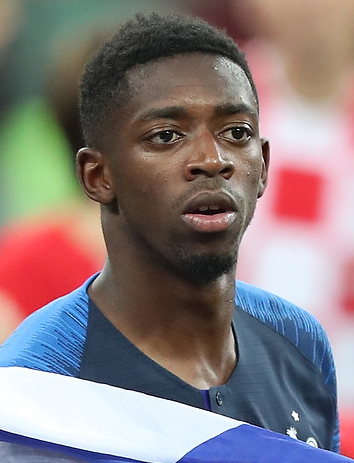
## The Night Anfield's Comeback Dream Died In the hours before kick-off on Tuesday April 14, the atmosphere around Anfield carried the specific charge that European nights at Liverpool's ground consistently generate — the sense that the scale of the deficit (two goals from the first leg in Paris) was a starting point r
The Night Anfield's Comeback Dream Died
In the hours before kick-off on Tuesday April 14, the atmosphere around Anfield carried the specific charge that European nights at Liverpool's ground consistently generate — the sense that the scale of the deficit (two goals from the first leg in Paris) was a starting point rather than a verdict, that the crowd and the team and the occasion could combine to produce the kind of night that Liverpool's European history has made part of the stadium's institutional expectation. By 72 minutes, that expectation had been extinguished by Ousmane Dembélé's first goal, and by full time the aggregate defeat read 4-0.
The specific way the match unfolded was a demonstration of what a functionally excellent, tactically sophisticated team looks like when it defends a lead in hostile territory. PSG's Luis Enrique is building something at the French champions that extends well beyond individual talent — a specific system of pressing, possession recovery, and transition management that makes PSG difficult to overcome regardless of the specific characters involved. Against Liverpool, playing for their European lives and roared on by a crowd that was willing them to a comeback, PSG held their shape, denied space, and won the ball back consistently enough that Liverpool's period of sustained second-half pressure produced clear chances only intermittently.
Hugo Ekitike's first-half injury — the Liverpool forward going down seemingly without contact and pointing to his Achilles tendon, leaving the field in tears — was the night's most disturbing individual moment. Manager Arne Slot said the initial assessment was "not too good," and the sight of Ekitike being stretchered off cast a specific shadow over the stadium that the crowd's subsequent roar could not fully dispel. Mohamed Salah, announced as his replacement, came on to a reception that reflected the emotional complexity of his last months at the club — the confirmation of his departure at season's end already public, every Anfield appearance carrying the specific weight of farewell.
Dembélé's Second Successive Anfield Brace and Its Historical Context
Ousmane Dembélé has now scored in each of his last two Champions League appearances at Anfield — braces on both occasions. The specific quality of his finishing in both instances has been noteworthy: not simple tap-ins or deflected efforts, but technically accomplished, left-footed shots taken from outside the penalty area with the precise mechanics that define the difference between a winger who occasionally scores and one who functions as the primary threat when the big moments arrive.
His 72nd-minute opener was dispatched from the edge of the box with his left foot, curling into the bottom corner past Giorgi Mamardashvili in a way that gave the goalkeeper no realistic chance. The second, from Bradley Barcola's cross in stoppage time, was a composed finish that confirmed the aggregate score at 4-0 and underlined PSG's dominance over a Liverpool side that has been, by their own standards, an inconsistent and sometimes unconvincing team this season.
Luis Enrique's post-match assessment was the specific kind of satisfied confidence that a manager allows himself when his team has performed exactly as planned: "You can see what sort of team we are, what players I've got. We've got confidence and belief. It's wonderful to be living this experience with this team." Under his management, PSG have now reached the Champions League semi-finals in three consecutive seasons — a consistency of European performance that only Real Madrid (in their peak years) and Barcelona (in their peak years) have matched in the competition's history.
Mohamed Salah's Last Champions League Night at Anfield
The confirmation of Mohamed Salah's departure from Liverpool at the end of the season — announced in March — gave Tuesday's match a specific elegiac dimension that the scoreline didn't allow him to resolve in the way that great players usually resolve such moments: with a performance that justifies the emotion attached to it. Salah came on as a substitute after Ekitike's injury, made some characteristic runs, created one opportunity that Liverpool couldn't convert, and was part of a second half that produced chances but not goals.
The absence of a Salah goal in what may have been his final Champions League appearance at Anfield will be one of the small, painful details that Liverpool supporters carry from this season. He has been the defining player of a specific era in the club's history — one that produced a sixth European Cup in 2019 and a Premier League title in 2020 — and his departure, whenever it becomes formal, closes a chapter whose reopening seems unlikely.
Liverpool's season now turns entirely to the Premier League, where they have six games remaining to secure a qualifying position for next season's Champions League. The domestic consistency that has eluded them in cup competitions this year will determine whether the specific wound of this European exit is compounded or contained.