Military | Europe
Trump Just Ordered a Naval Blockade of the Strait of Hormuz Effective Monday 10 AM — Here Is What Happens Next
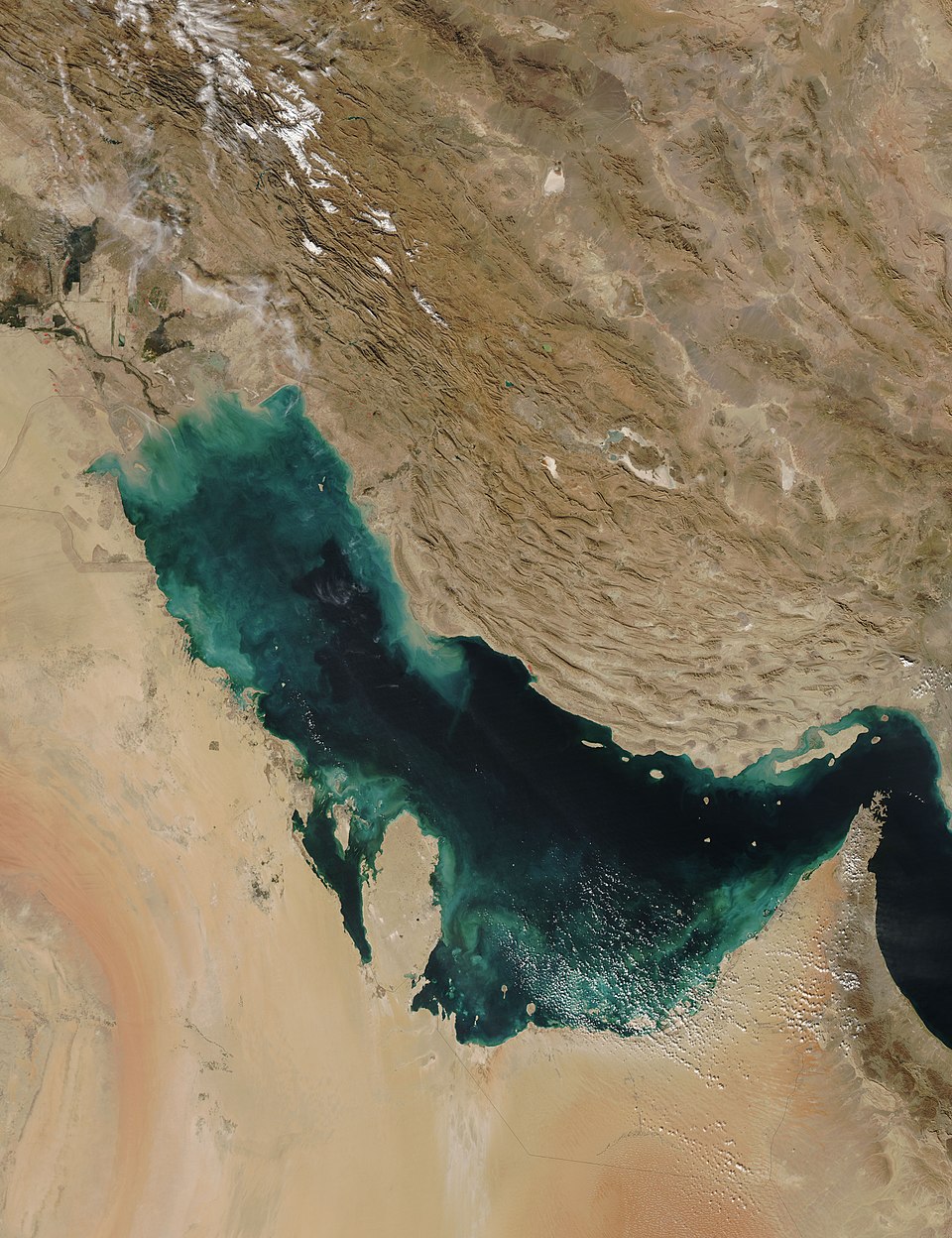
Trump announced a US Navy blockade of all Iranian port traffic starting April 13 at 10 AM ET. Oil jumped 8%. Here is the complete picture of what a Hormuz blockade means and how Iran will respond.
The Announcement That Changes Everything
On Sunday evening April 12, 2026 — hours after Péter Magyar's landslide victory in Hungary, hours after the Islamabad talks confirmed their failure, and hours after oil had already been creeping back toward $100 — President Trump appeared on Fox News' Sunday Morning Futures with Maria Bartiromo and described his response to the failed negotiations in terms that were simultaneously specific and dramatic: "all in and all out."
Within hours, US Central Command issued a formal operational statement: "U.S. Central Command (CENTCOM) forces will begin implementing a blockade of all maritime traffic entering and exiting Iranian ports on April 13 at 10 a.m. ET, in accordance with the President's proclamation."
On Truth Social, Trump elaborated: the US Navy would "seek and interdict every vessel in International Waters that has paid a toll to Iran." The specific scope of the blockade was subsequently clarified: CENTCOM stated it would NOT impede vessels transiting the strait to and from non-Iranian ports — meaning the blockade targets specifically Iranian port traffic and vessels that have paid Iranian transit fees, rather than all shipping through Hormuz regardless of destination.
Oil's reaction was immediate. Brent crude jumped 8% on Sunday, pushing back above $100 per barrel. Karen Young, a senior scholar at Columbia University's Center on Global Energy Policy, told CNN directly: "If we have a blockade, we still have the problem of a shortage in the market of about 7 million barrels of crude, 4 million barrels of product not getting out. And we just added to that by making the Iranian barrels off the market." She warned it "could be a long time from now" before prices decline, noting that even after the war ends, the damaged oil infrastructure must be repaired — variables she described as "huge" and "really, really unsolved."
The average American gas price at the time of the announcement stood at $4.13 per gallon — already $1.14 above pre-war levels. The blockade's implementation begins at a moment of maximum economic sensitivity.
What 'All In All Out' Actually Means Operationally
Trump's specific phrase — "there'll be a time when we'll have them all come in and all come out" — describes the blockade's operational concept with unusual clarity. Unlike a general maritime exclusion zone, the specific design targets Iranian commercial benefit: the particular ships paying Iranian-demanded tolls or delivering cargo to Iranian ports, rather than creating the indiscriminate interference with global shipping that a complete Hormuz closure would produce.
CENTCOM's specific operational posture involves the two carrier strike groups, nearly 20 warships, and the specific air wings that have been deployed throughout the conflict. The particular naval firepower available is not in question — the US Navy has both the specific capability and the specific operational precedent (Operation Earnest Will in 1987-88) for enforcing navigation rights in Hormuz through naval escort and interdiction.
The specific legal framework for the blockade: Trump's proclamation appears to invoke the president's specific war powers and the specific authority over maritime interdiction whose exercise in prior conflicts — including specific blockades during the Civil War, specific WWI and WWII interdiction operations, and the specific Cuban Missile Crisis quarantine — has established the particular presidential authority whose legal basis congressional Democrats are already challenging.
The US Justice Department added a specific civilian enforcement dimension: Acting Attorney General Todd Blanche announced that "the Department of Justice will vigorously prosecute anyone who buys or sells sanctioned Iranian oil" — extending the blockade's economic effect through legal accountability for specific commercial actors whose specific Iranian oil purchases would otherwise circumvent the naval interdiction.
Iran's specific response was immediate and equally specific. The IRGC Navy stated that any military vessels approaching the Strait of Hormuz "will be considered a violation of the ceasefire and will be met with severe force." The IRGC also claimed the strait remains "under smart control and management" and "open for the safe passage of non-military vessels in accordance with specific regulations" — a statement whose particular framing asserts Iranian authority while simultaneously claiming non-escalation.
The Allies Who Weren't Asked and the Markets That Are Panicking
Trump's Truth Social announcement stated that "other countries will be involved" in the blockade — a specific claim whose specific truth was immediately complicated by Australia's Prime Minister Anthony Albanese telling CNN affiliate 9 News: "We've received no requests. They've made this announcement overnight and they've done that in a unilateral way."
The UK government issued a carefully worded statement through a spokesperson: "We continue to support freedom of navigation and the opening of the Strait of Hormuz, which is urgently needed to support the global economy and the cost of living back home" — a statement that expresses support for the goal while conspicuously not endorsing the specific method.
The Wall Street Journal reported separately that Trump was also considering the resumption of limited military strikes in Iran to break the negotiation stalemate — creating the particular dual-track possibility of both a naval blockade and renewed air strikes simultaneously.
China's specific position adds a particularly acute dimension. US intelligence reporting suggests China is planning to provide new air-defense weaponry to Iran in coming weeks. Trump was asked about this possibility and responded: "If China does that, China's going to have big problems." The Chinese Embassy denied the intelligence report. The potential for a US-Iran-China triangle whose specific escalation dynamics extend well beyond the bilateral war framework to include the specific world's second-largest economy and the specific power whose global strategic competition with the US makes its specific entry into the specific conflict's military-equipment dimension the particular escalation whose consequences the specific global financial system is now pricing.