World | Europe
Israel and Lebanon Agreed to a 10-Day Ceasefire — But Israel Says Its Troops Are Staying in the South
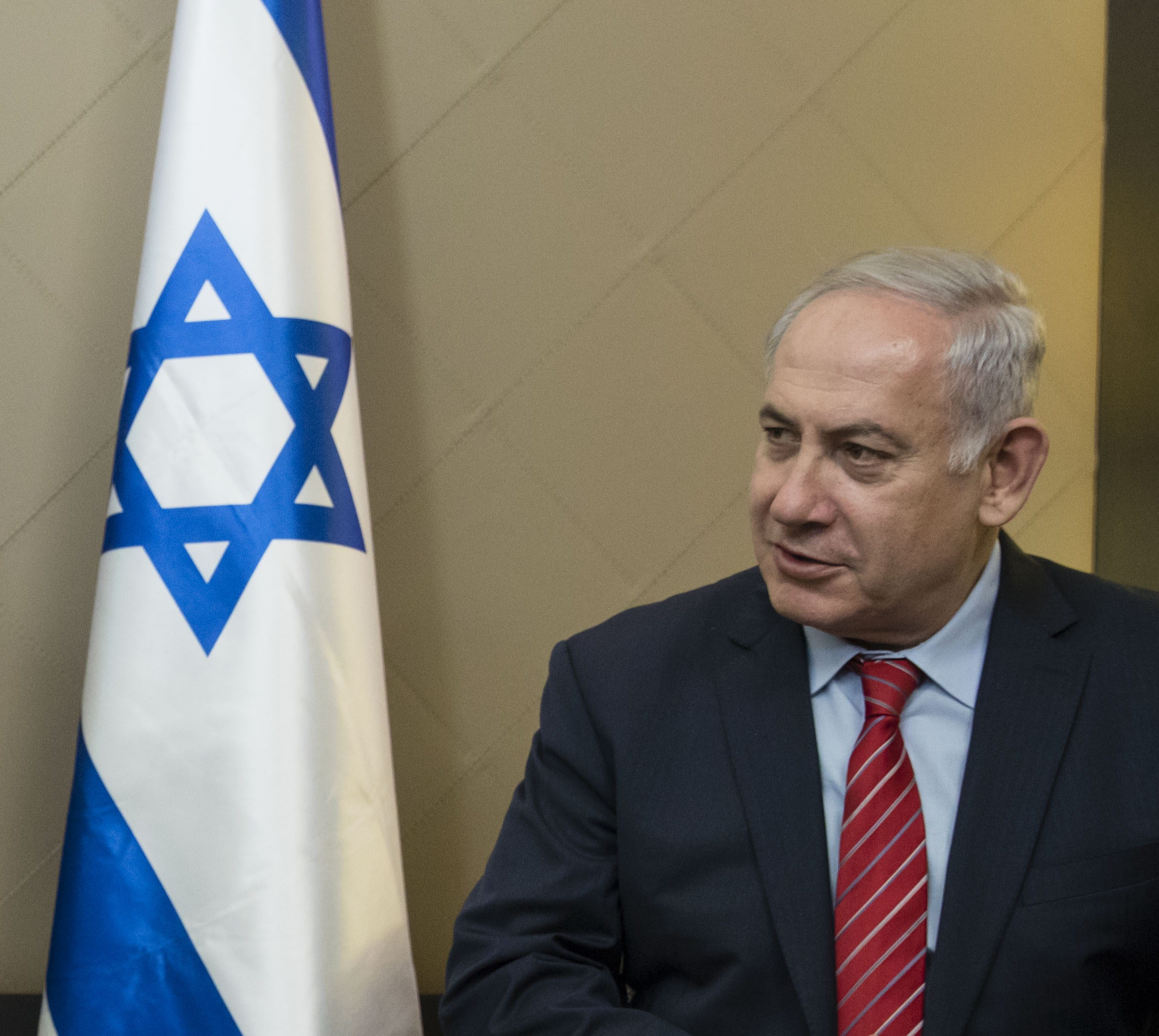
A 10-day ceasefire between Israel and Hezbollah took effect Thursday April 17, 2026, brokered by President Trump after rare direct Israel-Lebanon diplomatic talks in Washington. Israel vowed to maintain its buffer zone in southern Lebanon, while Hezbollah reserved the right to resist Israeli forces.
The Ceasefire That Almost Didn't Happen
At 5 PM Eastern Time on Thursday April 17, 2026, a 10-day ceasefire between Israel and Hezbollah took effect — announced by President Trump on Truth Social and confirmed by military officials on both sides. The announcement came after an intensive 24-hour diplomatic sprint that included Trump calling both Israeli Prime Minister Benjamin Netanyahu and Lebanese President Joseph Aoun separately, followed by US Secretary of State Marco Rubio working with Lebanese and Israeli officials to draft a memorandum of understanding.
Trump's announcement framed the development in characteristic optimism: "I just had excellent conversations with the highly respected President Joseph Aoun, of Lebanon, and Prime Minister Bibi Netanyahu, of Israel. These two leaders have agreed that in order to achieve PEACE between their countries, they will formally begin a 10 Day CEASEFIRE at 5 P.M. EST."
He directed Vice President JD Vance, Secretary of State Rubio, and Joint Chiefs Chairman General Dan Caine to work with both governments toward what he described as a "Lasting PEACE." He also announced an invitation to both Netanyahu and Aoun to visit the White House for peace talks — the first time Israel and Lebanon have engaged in direct high-level diplomatic contact since 1993.
The specific ceasefire announcement followed two days of rare direct talks between Israeli and Lebanese ambassadors to the United States in Washington — themselves the first direct high-level diplomatic engagement between the two countries in decades. That those talks were even possible represents a significant shift from the pre-ceasefire diplomatic environment.
The Terms, the Tensions, and What Ceasefire Actually Means Here
The specific terms of the ceasefire include a 10-day pause in fighting, during which the framework for a potential longer-term arrangement would be developed. Israel, however, announced immediately and explicitly that its forces would remain in southern Lebanon — maintaining the buffer zone that Israeli military operations had established in the weeks of ground operations following the February 28 outbreak of the US-Iran conflict that drew Hezbollah into renewed activity.
This specific condition creates the ceasefire's most significant tension. Hezbollah's statement described Lebanese civilians as having "the right to resist" Israeli forces inside Lebanon — language that is effectively a reservation of the right to resume hostilities against Israeli troops even during the declared ceasefire period. Lebanon's National News Agency reported Israeli shelling and gunfire in parts of southern Lebanon after the designated ceasefire start time, though the scale and military significance of those incidents was disputed.
Germany welcomed the ceasefire announcement, with Foreign Minister Johann Wadephul saying it could offer "an important respite" for populations on both sides and expressing hope that the direct talks could pave the way for a "future as good neighbors" — provided Israel's security interests and Lebanon's territorial sovereignty were both respected.
The Wider Context: Iran, Hormuz, and the Diplomatic Cascade
The Israel-Lebanon ceasefire arrived simultaneously with Trump's expression of optimism about US-Iran negotiations. He told reporters that Iran had agreed to give back "nuclear dust" from deep underground following US B-2 bomber strikes, and that he might personally travel to Pakistan if there was a peace deal to sign — though Iranian officials had not confirmed the characterisation of their position.
Iran had previously stated it would not negotiate with the United States unless Israel entered a ceasefire in Lebanon. The ceasefire's timing may therefore function as a diplomatic signal in the broader US-Iran negotiation — though the specific connection between Israeli-Lebanese military activity and US-Iran nuclear diplomacy involves complex calculations on multiple sides whose transparency is limited by ongoing strategic interests.
The human cost of the preceding weeks of conflict: Israeli strikes killed more than 2,100 people and displaced over 1 million in Lebanon, according to Lebanese government data. News images of tracer rounds illuminating the Beirut sky in celebration on Thursday night — civilians firing live ammunition and fireworks at the ceasefire announcement — captured the specific relief that even a temporary pause produces for populations under sustained bombardment.