Sports | Europe
The Champions League Final Will Be in Budapest on May 30 — Here Is Why the Venue Is More Significant Than Usual
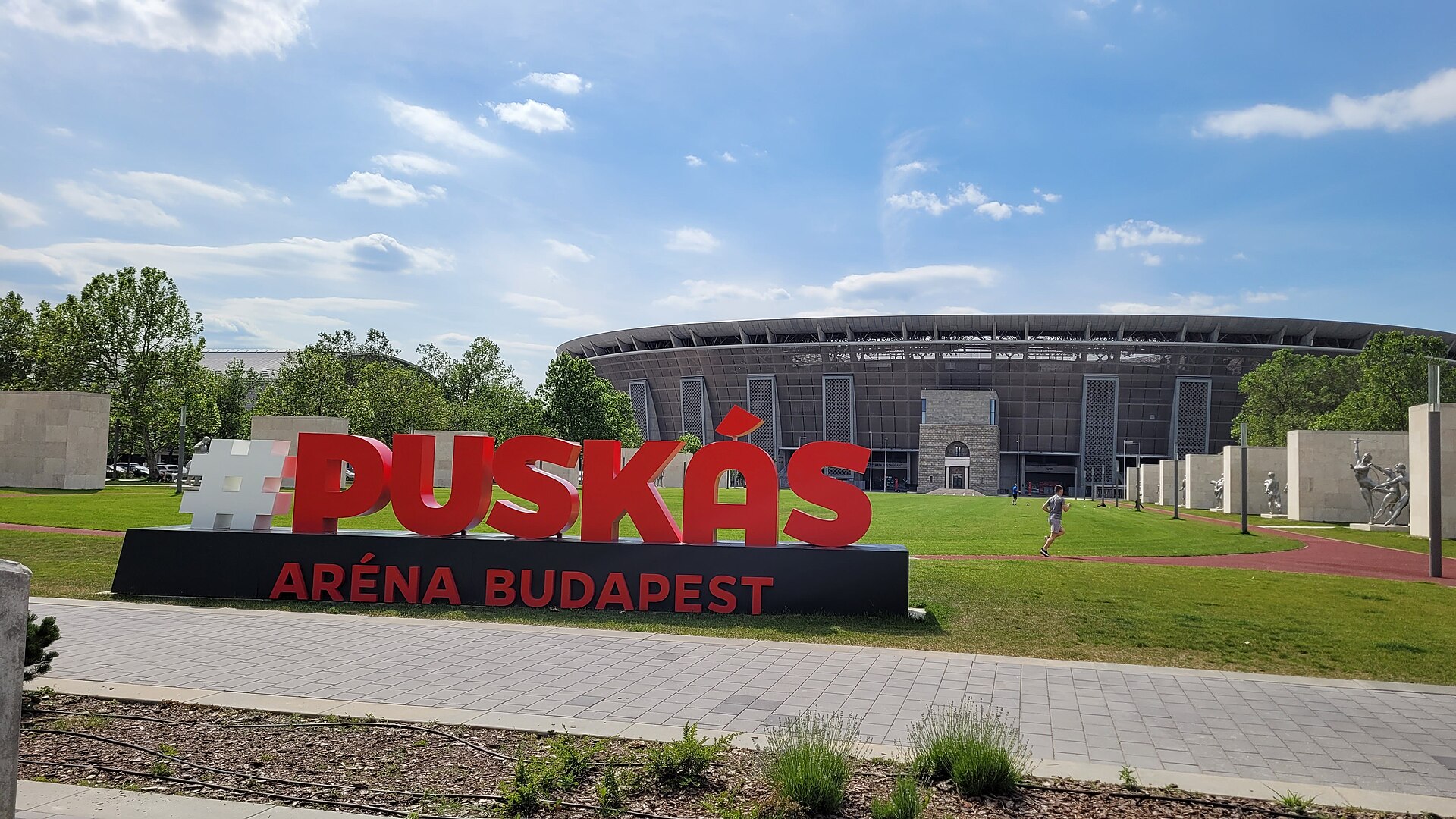
The 2026 Champions League final at Budapest's Puskás Aréna on May 30 carries special significance after Hungary's democratic election on April 12 ended Orbán's 16-year rule. Here is the full story of why the venue, the timing, and the politics combine to make this final historically notable.
A Final in a Country That Just Chose Europe
The 2026 UEFA Champions League final takes place on May 30 at the Puskás Aréna in Budapest, Hungary — a venue that UEFA designated as the host facility months before the events of April 12, 2026 would give the location its specific contemporary significance. On that date, Hungarian voters delivered a landslide election result that ended Viktor Orbán's sixteen-year grip on power, installing Péter Magyar's Tisza Party with what initial projections described as a supermajority in the Hungarian parliament.
The specific symbolism that this combination creates — the Champions League, the competition most associated with European football's shared identity, hosting its final in a city that had just voted to rejoin the European mainstream after years of Orbán's specific opposition to EU values and institutions — is not lost on the football or political communities. UEFA did not engineer this coincidence; the election result was not scheduled around the final. But the specific alignment of a historic election result and a major European sporting event in the same city within weeks is the kind of narrative that history occasionally produces without assistance.
Budapest's Football History and the Puskás Aréna
The Puskás Aréna, completed in 2019 and named after Hungarian football legend Ferenc Puskás, is one of Europe's most architecturally distinguished new stadiums. With a capacity of approximately 67,000 and a design that references the historical stadium it replaced, it represents the specific national football investment that the Orbán government used to assert both national pride and European football legitimacy. The irony that the stadium named for Hungary's most celebrated football figure — built under a government that has now been removed from power — will host the Champions League final under a new political dispensation is the specific historical complexity that makes this venue choice notable.
The final participants — likely PSG vs. Bayern Munich or Arsenal vs. Atletico Madrid — will arrive in a Budapest that is processing its own historic transition. The new Hungarian government's immediate foreign policy priority is rebuilding EU relationships that the Orbán era strained, including accessing the approximately 17 billion euros in EU funds that were withheld due to rule-of-law concerns. The Champions League final, bringing European football's highest-profile event to the city, provides a specific kind of continental normalisation at exactly the moment when the new government wants to signal its European orientation.
What the Semi-Finals Need to Produce
For the Budapest final to live up to the specific occasion its setting creates, the semi-final matches — PSG vs. Bayern Munich and Arsenal vs. Atletico Madrid — need to produce two finalists whose specific character matches the weight of the venue and the moment. PSG, the defending champions attempting back-to-back titles no club other than Real Madrid has achieved in the modern era, against Bayern, who eliminated Real Madrid in one of the quarter-finals' most dramatic matches, would produce a final whose specific quality arguments are entirely legitimate. Arsenal vs. Atletico, on the other side of the draw, creates the tactical contrast — Arteta's possession-based pressure against Simeone's compact defensive organisation — that the most enduring European finals involve.